
Timing, digestion speed, muscle growth, and price — we compare whey, casein, and vegan protein across every key factor so you can choose exactly the right protein for your goals.

Whey and casein both come from milk and generally provide all essential amino acids. Whey is often chosen for quick post‑workout use, while casein is thicker and digests more slowly. Vegan protein powders vary by source (like soy, pea, and blends) and can work well, especially when combined to round out amino acids. The best choice depends on your goals, digestion, and preferences.
Whey is the liquid part of milk left after making cheese. It mixes easily and is commonly used around workouts. Isolate is typically lower in lactose than concentrate. Hydrolysate is pre‑broken into smaller pieces, which may mix and digest easily for some people.
Casein is the main protein in milk that forms a gel in the stomach. Many people use it when they have a longer gap between meals because it tends to release amino acids more gradually. Micellar casein is the common, slower‑digesting form; caseinate tends to mix thinner but is still slower than whey for many people.
Vegan powders are made from plants. Options include soy, pea, rice, hemp, and blends. Some single‑source plant proteins may be lower in one or more essential amino acids; blends often aim to balance this. Texture and taste can vary more than dairy proteins, so a little trial and error helps.
Amino acid profile: Dairy proteins (whey, casein) generally provide all essential amino acids, including leucine (a key signal for muscle building). Many vegan blends also aim to cover all essentials; single‑ingredient plant options can vary.
Digestion speed: Whey tends to be absorbed relatively quickly for many people. Casein usually digests more slowly. Plant proteins range from moderate to slower, depending on the source and formulation.
Fullness: Thicker shakes (often casein or pea‑rich blends) may feel more filling, but this varies person to person. Adding fiber and fats (like oats or nut butter) can increase fullness with any powder.
Lactose and allergies: Whey isolate is typically lower in lactose than whey concentrate. Those with milk allergy should avoid both whey and casein. Vegan options are dairy‑free, but still check labels for allergens.
Taste and texture: Whey usually mixes smoothly. Casein is thicker and creamier. Vegan powders vary; some are slightly grainy unless blended well.
Cost and availability: Prices vary by brand and type. Whey concentrate is often the most budget‑friendly; isolates, hydrolysates, and specialty vegan blends can cost more.
For many people, whey is a convenient choice right after training because it mixes easily and provides a broad amino acid profile, including leucine. Casein can be useful when you expect a longer gap without food (for example, before bed). Vegan blends that include soy or a mix of complementary proteins can also support muscle goals when total daily protein is adequate. The best results come from hitting your overall protein needs across the day, not from a single shake.
If fullness is your priority, thicker options like casein or certain pea‑rich vegan blends may feel more satisfying for some people. Whey can also work; adding fiber (berries, oats, chia) and healthy fats (peanut butter, flax) tends to increase satiety with any powder. Overall calorie balance still matters most for weight change.
If you’re sensitive to lactose, whey isolate or a vegan powder may sit better than whey concentrate. With a confirmed milk allergy, avoid whey and casein entirely and choose a vegan option. If you prefer plant‑based eating or want to avoid dairy for ethical or environmental reasons, a soy or multi‑source plant blend can fit well.
Protein powders are supplements; use them to help you meet your daily protein target when food alone is inconvenient. Many studies and products use about 20–30 grams per serving. Spreading protein across meals and snacks may support muscle goals. Exact needs vary by body size, activity, age, and overall diet. If you have a medical condition or special dietary needs, check with a qualified health professional for personalized guidance.
Third‑party testing: Look for seals from reputable testing programs that screen for contaminants and verify label claims.
Protein per scoop: Around 20–30 g per serving is common. Check the total protein, not just “serving size.”
Ingredients: Short, simple lists are easier to evaluate. You can choose unsweetened or your preferred sweetener type if you’re sensitive to certain flavors or sugar alcohols.
Allergens: Confirm dairy, soy, or gluten status as needed. For lactose sensitivity, consider whey isolate or vegan options.
Taste and mixability: If possible, try sample sizes first. Vegan powders often blend best with a high‑speed blender or shaken with more liquid.
Post‑workout shake: 1 scoop whey + water or milk + banana + ice. Blend 20–30 seconds.
Protein oatmeal: Stir whey into warm oats after cooking to avoid clumping; add berries and cinnamon.
Nighttime pudding: Mix casein with just enough milk or water to form a thick, spoonable texture; add cocoa and peanut butter if desired.
Smoothie bowl: Blend with frozen fruit and milk for a thicker, more filling bowl topped with nuts or seeds.
Creamy shake: 1 scoop plant blend + soy or pea milk + frozen berries. Blend well for a smoother texture.
Oats + nut butter: Pairing plant protein with grains and nuts helps round out amino acids over the day.
Most healthy adults can use protein powders in moderation without issues. Some people notice bloating, gas, or changes in their bowel habits. Trying a smaller serving, switching to a different type (for example, isolates or a different plant source), or blending with more liquid may help. If you have kidney disease, a milk allergy, or you’re pregnant or breastfeeding, talk with your healthcare provider before using protein supplements. Select products from reputable brands and consider third-party tested options to minimize the risk of contamination.
Whey is a convenient, all‑purpose choice many people like after workouts. Casein may suit longer gaps between meals. Vegan proteins work well, especially blends, if you prefer plant‑based or avoid dairy. Pick the option you enjoy, tolerate, and can use consistently while meeting your daily protein needs through a mix of foods and supplements.
As an Amazon Associate we earn from qualifying purchases.
Gear that pairs well with what you just read.
As an Amazon Associate we earn from qualifying purchases.
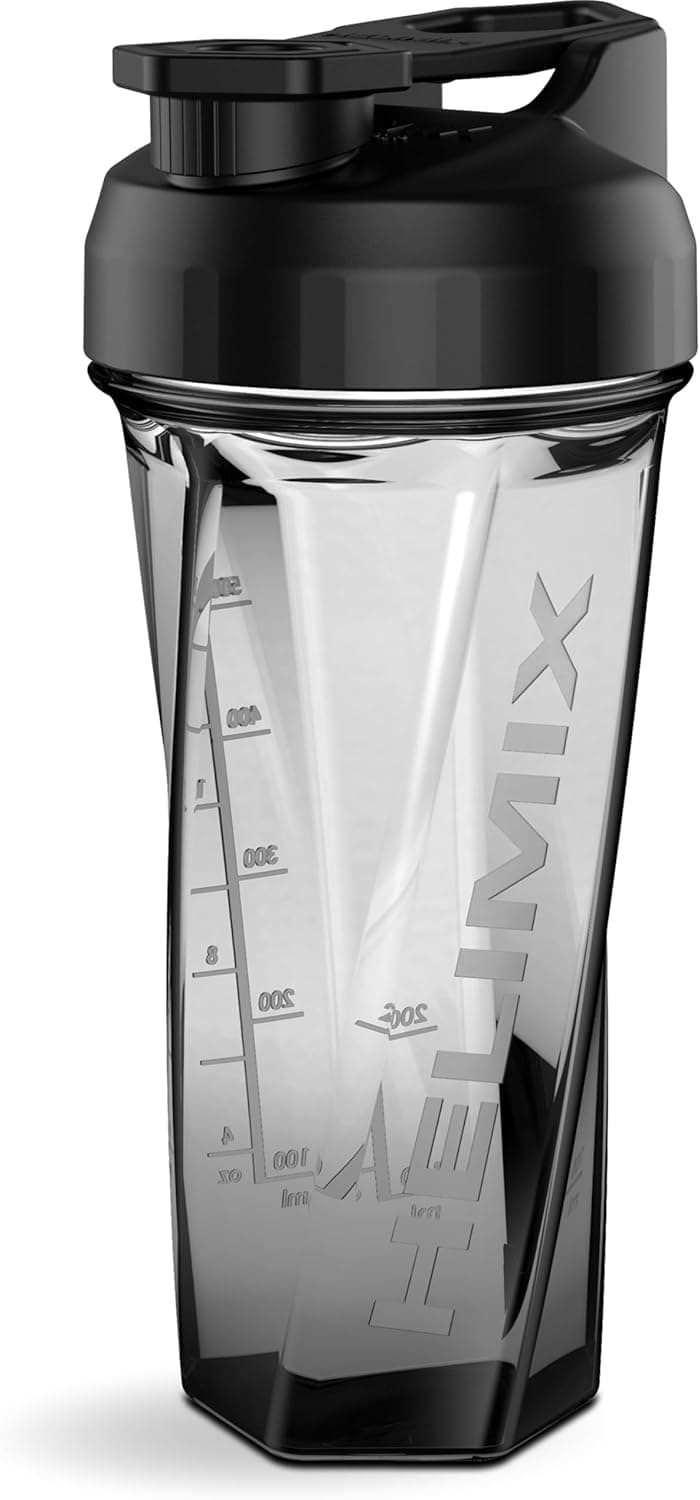
Zero-clump mixing, no ball needed
A shaker that mixes perfectly without a ball or whisk. USA-made, durable, and designed to blend protein shakes, smoothies, or pre-workout on the go with zero clumps.
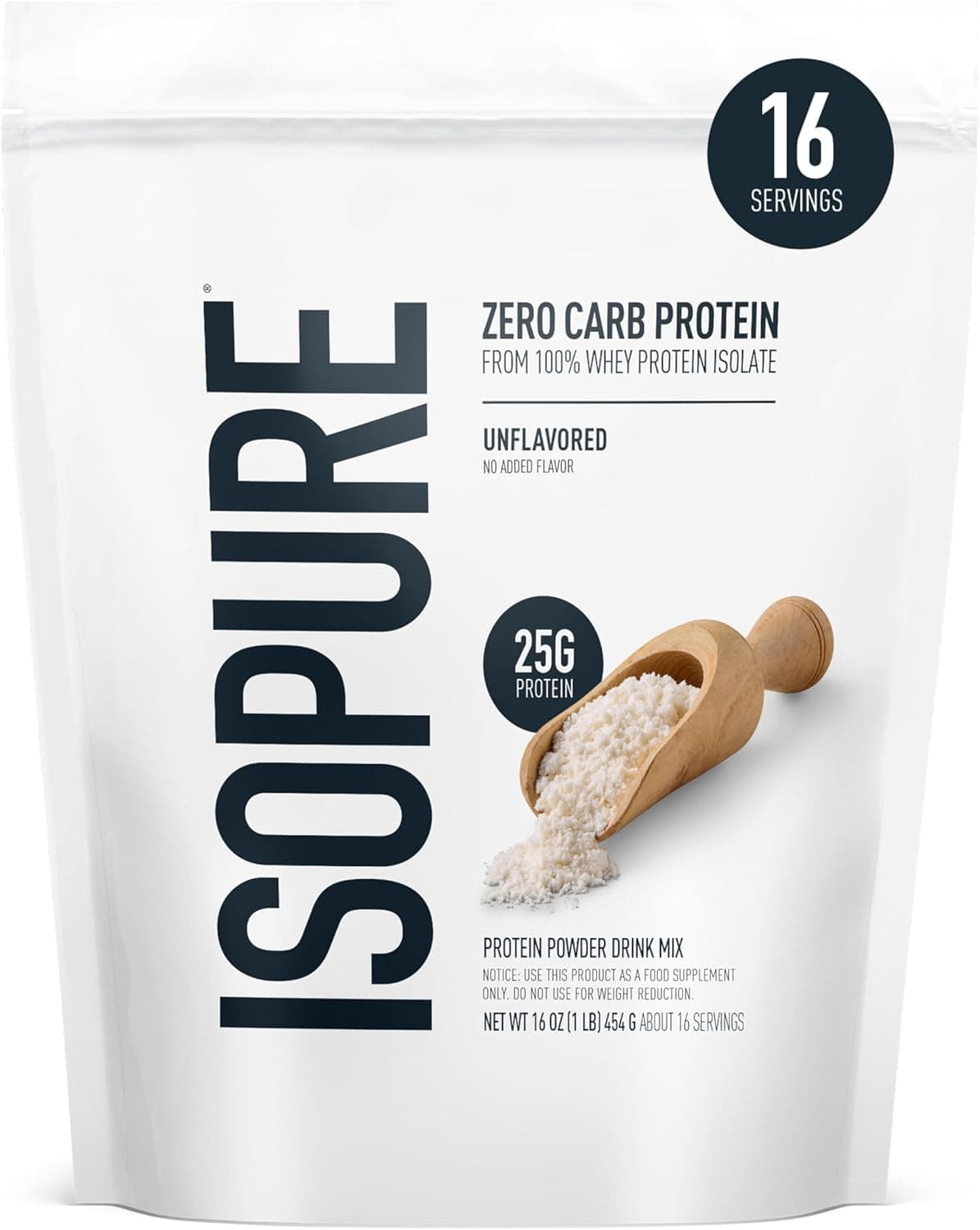
25g pure protein, zero carbs
Ultra-lean, zero-carb whey isolate with 25g of lactose-free, gluten-free protein per scoop. Perfect for boosting daily protein intake without added sugars, flavors, or fillers.
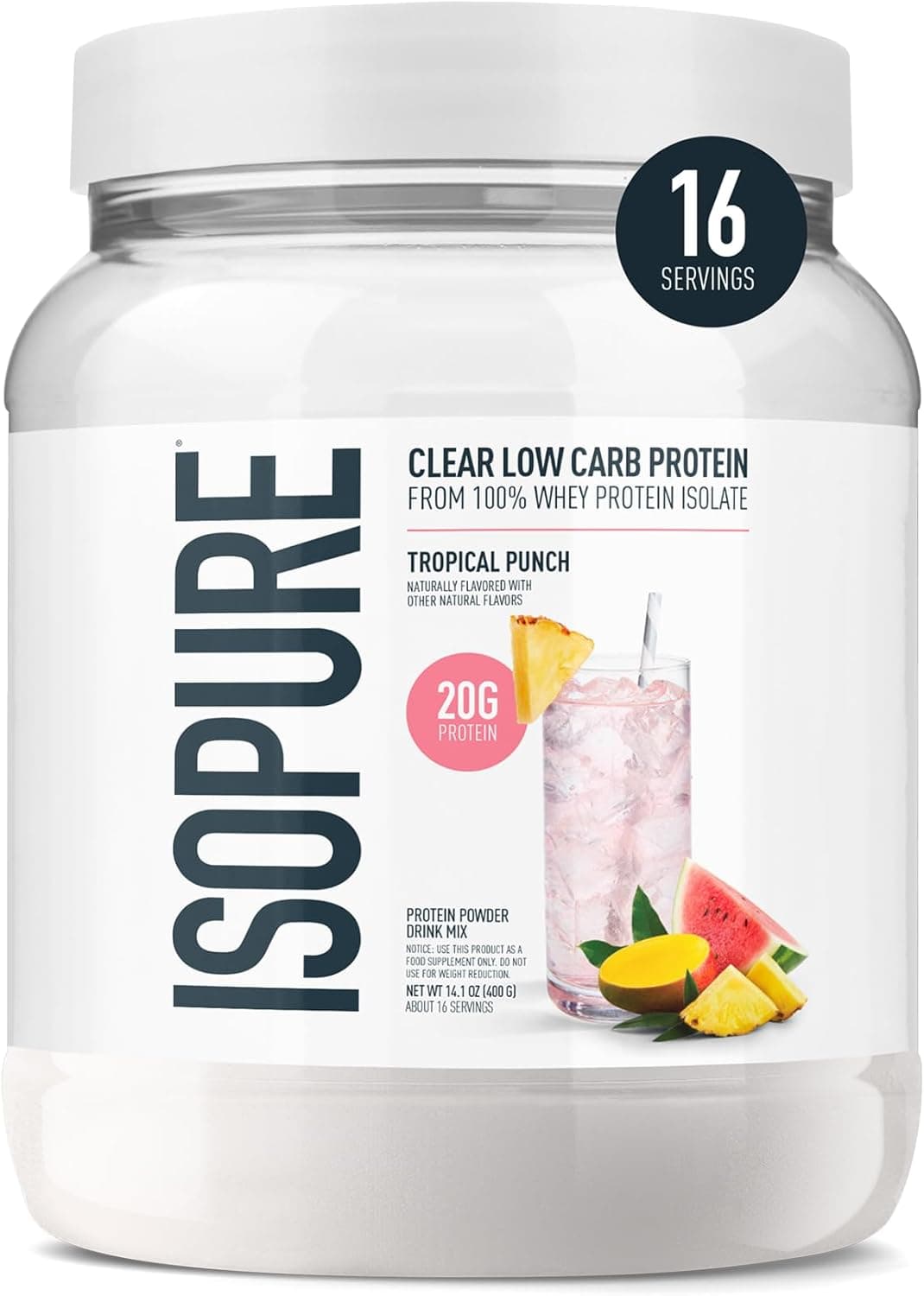
Light, juice-style protein drink
A crisp, juice-style whey isolate with 20g of lactose-free, gluten-free protein per serving. Perfect when you want a lighter, refreshing way to hit your daily protein goals.
Take your fitness journey further with our comprehensive collection of calculators, trackers, and educational content.