
New to nutrition? This simple guide breaks down macronutrients (protein, carbs, and fats). Learn what they do, how many calories they have, and how to use this knowledge to support your health goals.

If you've ever looked into nutrition, you've probably heard the term 'macros.' It's short for macronutrients, and understanding them is one of the most powerful first steps you can take to improve your health. Think of them as the main building blocks your body uses for energy and daily function. This guide will break down what they are, what they do, and how you can use this knowledge to fuel your body effectively.
Your diet is built on three major players: protein, carbohydrates, and fats. Each one has a distinct job, and getting a good balance of them is key to feeling and performing your best.
Protein is essential for building and repairing tissues, from your muscles to your hair and nails. It also plays a crucial role in creating enzymes and hormones. A key benefit of protein is that it helps you feel full and satisfied after a meal, which can be helpful for managing appetite. Each gram of protein provides about 4 calories.
Carbohydrates are your body's preferred source of energy. When you eat them, they are broken down into glucose, which fuels your brain, muscles, and organs. They are especially important for powering workouts and replenishing energy stores afterward. Like protein, each gram of carbohydrates provides about 4 calories.
Dietary fats often get a bad reputation, but they are vital for your health. Fats are necessary for producing hormones, absorbing certain vitamins (like A, D, E, and K), and supporting brain health. They are the most energy-dense macronutrient, providing 9 calories per gram.
So, how much of each macro should you eat? The Acceptable Macronutrient Distribution Ranges (AMDR) from the National Academies of Sciences, Engineering, and Medicine provide a flexible, evidence-based starting point. These are not strict rules but rather healthy ranges that support general well-being.
This wide range allows for flexibility based on your goals. For example, someone focused on building muscle might aim for the higher end of the protein range, while an endurance athlete might need more carbohydrates for fuel.
While understanding macros is important, it's only one piece of the puzzle. The quality of your food choices makes a huge difference. For instance, 40 grams of carbohydrates from a sweet potato provides fiber, vitamins, and minerals, which are called micronutrients. In contrast, 40 grams of carbs from candy mainly provides sugar without those added benefits. Focusing on nutrient-dense, whole foods ensures you're getting the vitamins, minerals, and fiber your body needs to thrive, not just the calories.
As an Amazon Associate we earn from qualifying purchases.
Gear that pairs well with what you just read.
As an Amazon Associate we earn from qualifying purchases.
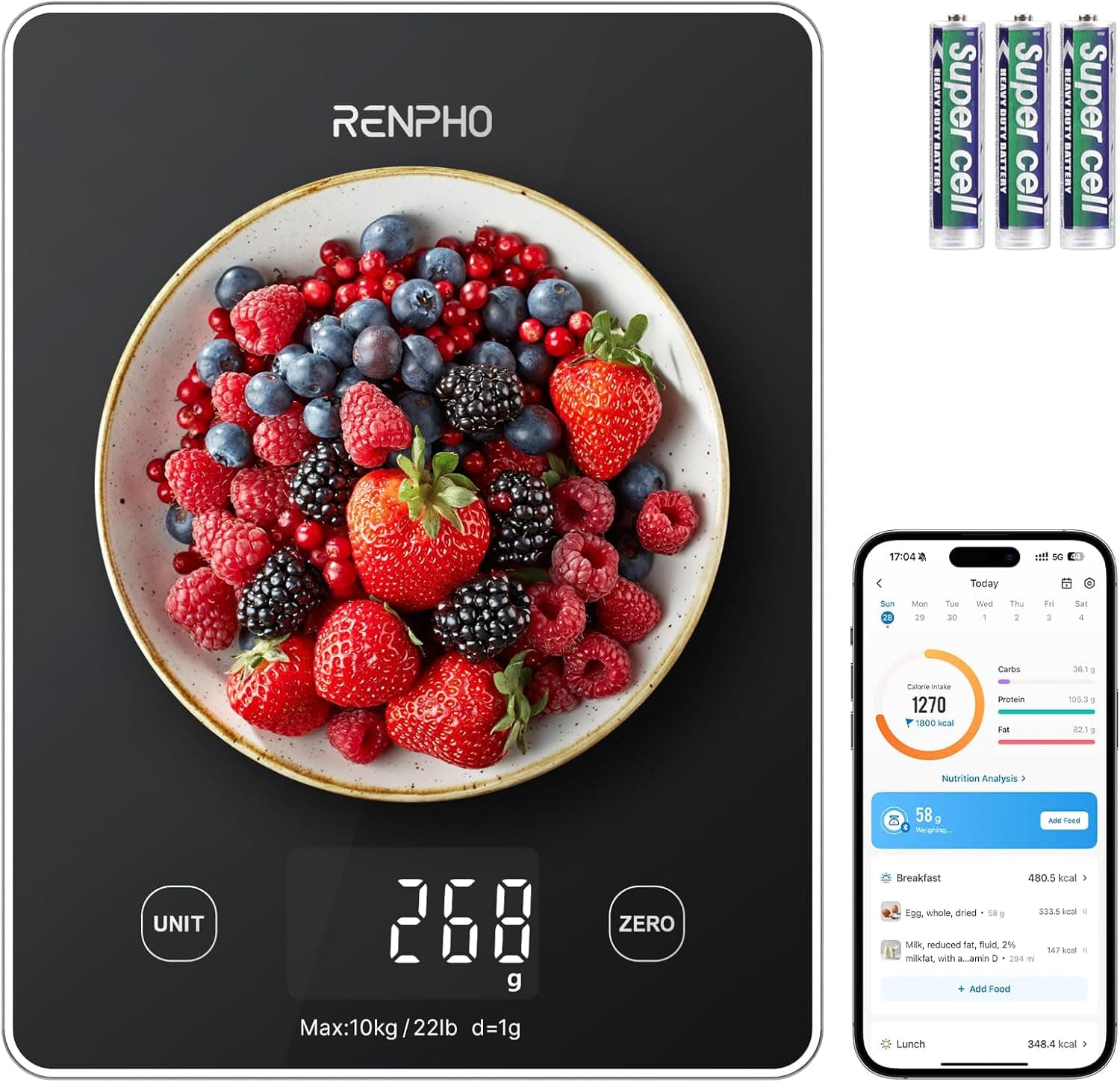
Built-in nutrition and macro tracking
A sleek black-glass scale with built-in nutrition calculations for fast, accurate macro and calorie tracking. Syncs with the RENPHO app, measures up to 22 lb, and perfect for weight-loss or keto meal prep.
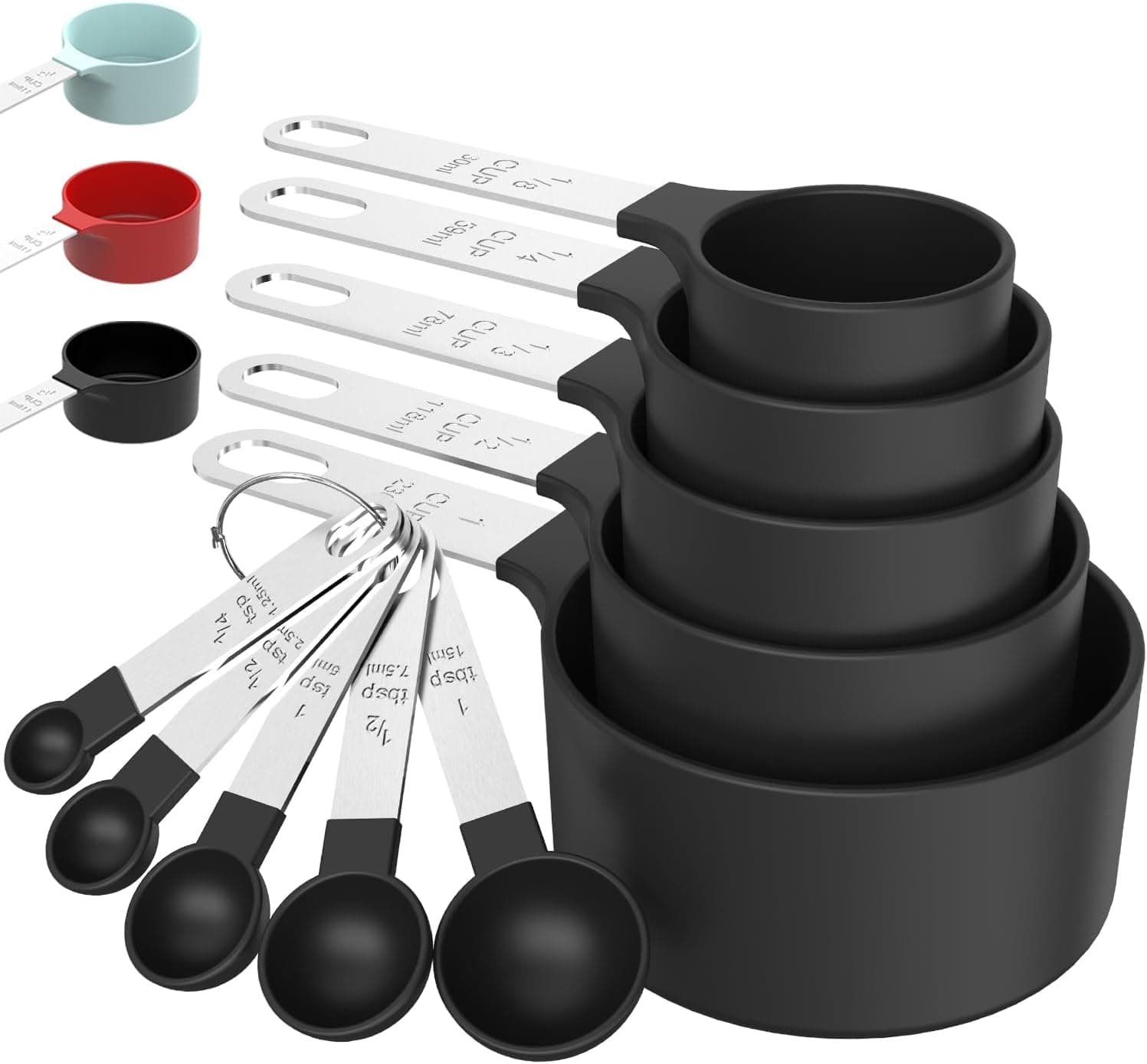
Precise portions every time
A stackable, easy-to-store set with stainless steel handles for durability and precise measuring. Perfect for consistent portion sizes when tracking calories, cooking, or baking.
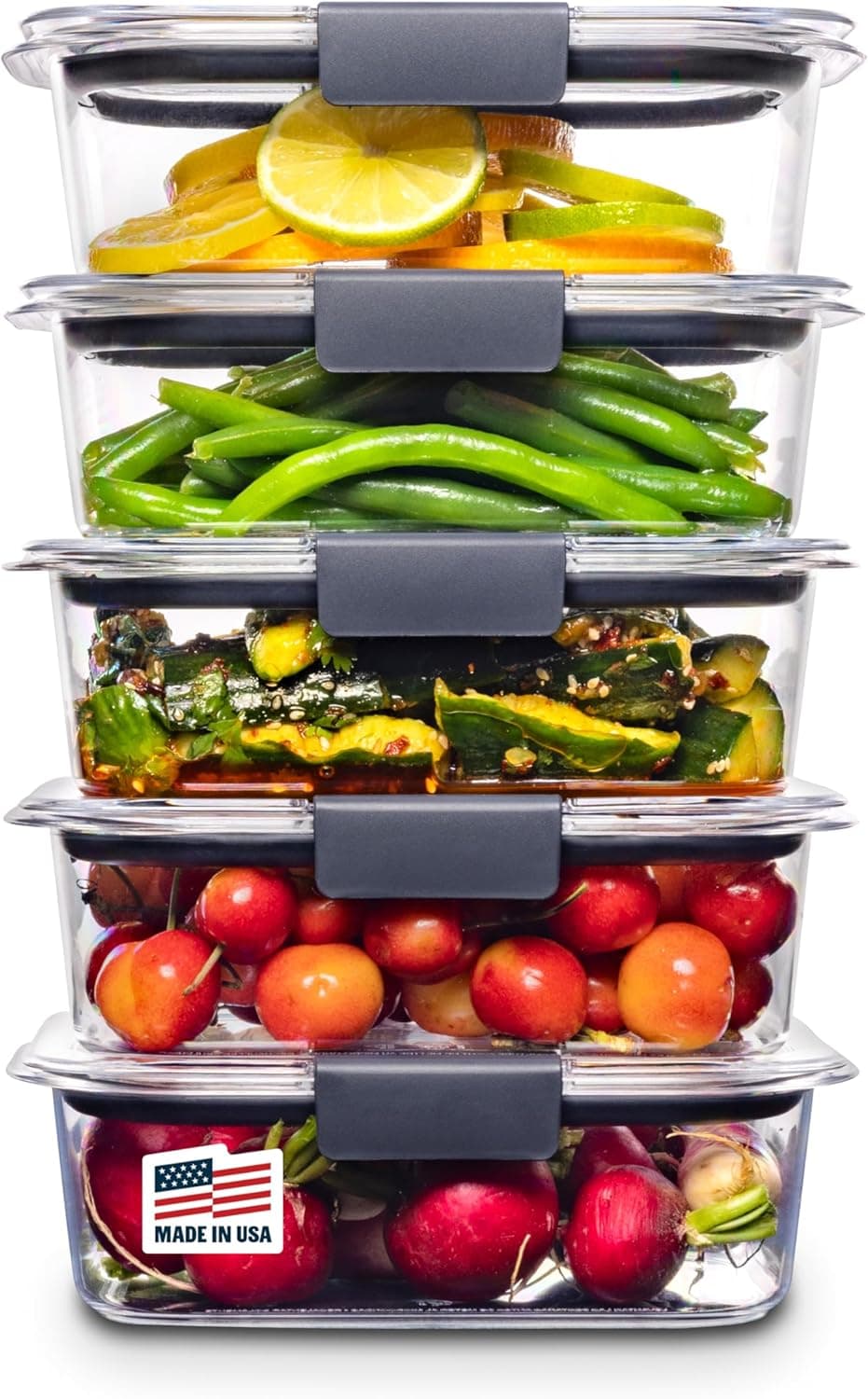
Leakproof meal prep containers
Crystal-clear, BPA-free containers with leakproof, airtight lids to keep meals fresh and organized. Perfect for portioning, storing, and taking your macro-friendly meals on the go.
Take your fitness journey further with our comprehensive collection of calculators, trackers, and educational content.