
Still tracking calories but not seeing results? These 5 common mistakes could be sabotaging your progress — from eyeballing portions to ignoring cooking oils. Learn exactly how to fix each one.

If you’re logging your food but not seeing the results you expect, small tracking mistakes are often the reason. The tips below use straightforward, research-aligned practices and public resources to help you improve accuracy.
Portion sizes are easy to underestimate, especially for calorie-dense foods like oils, nuts, cereal, and spreads. Even small misjudgments add up over time.
Use a food scale for common items (rice, chicken, oats, snacks) a few times per week to recalibrate your eye. Measuring cups and spoons help in a pinch.
Be consistent about raw vs. cooked: log foods in the same state you weighed them. Cooking changes weight, so mixing raw and cooked entries can skew totals.
Cross-check ambiguous foods in USDA FoodData Central when you’re unsure.
Add-ons and liquids are commonly missed but can contribute meaningful calories. A quick measure or scan can keep your log honest.
Measure cooking oil and butter (teaspoon or gram). Nonstick spray can help control amounts, but log it if you use more than a brief spray.
Log sauces, dressings, coffee creamers, and sweeteners. Check the serving size on the label; two “tablespoons” poured freely can easily become more.
App databases can contain user-entered items with errors. If an entry looks too low or too high, it might be. When possible, rely on verified sources or your food’s label.
Compare entries against USDA FoodData Central for generic foods and raw ingredients.
Match the exact brand and flavor when scanning barcodes. If you can’t find a precise match, create a custom food using the product’s Nutrition Facts label.
Wearables and machine readouts provide rough burn estimates that can vary by person and activity. If you eat back every estimated calorie, you might erase your calorie deficit.
Be conservative: consider not adding back exercise calories at first, or only add a portion. Watch your 2–4 week weight trend and adjust as needed.
As your weight, activity, or goals change, your calorie needs can shift. If progress stalls, your target may need a refresh based on your current data.
Make an account and use our tool to estimate needs and plan your changes.
Evaluate trends, not single days. Compare your average weekly intake and weight over 2–4 weeks before making adjustments.
Pre-log meals you can predict (breakfast, workday lunches) to reduce guesswork.
Plan balanced meals using government resources like MyPlate for portion ideas.
Create “favorites” and meal templates in your app to speed up consistent logging.
Weigh once daily (same time, similar conditions) and use a weekly average to smooth out normal fluctuations.
Example 1: Cooking at home. You’re making a stir-fry. Weigh the raw chicken and vegetables, measure the oil before it hits the pan, and log the sauce by tablespoon. If you cook a big batch, weigh the final cooked dish and divide by portions so each serving is logged consistently.
Example 2: Eating out. Check the restaurant’s nutrition info if available. If not, choose a similar verified item in your app, add a note, and be conservative with high-calorie add-ons (dressings, extra cheese). Log beverages and sides separately.
Example 3: Adjusting your target. After 3 weeks, your weight is unchanged. Review your average intake and consistency. Consider trimming a small amount from your daily target or rechecking your estimate with the NIH Body Weight Planner, then reassess after another 2–4 weeks.
If you have a medical condition, take medications that affect appetite or weight, or feel stuck despite consistent tracking, consider speaking with a registered dietitian or your healthcare provider for personalized guidance.
As an Amazon Associate we earn from qualifying purchases.
Gear that pairs well with what you just read.
As an Amazon Associate we earn from qualifying purchases.
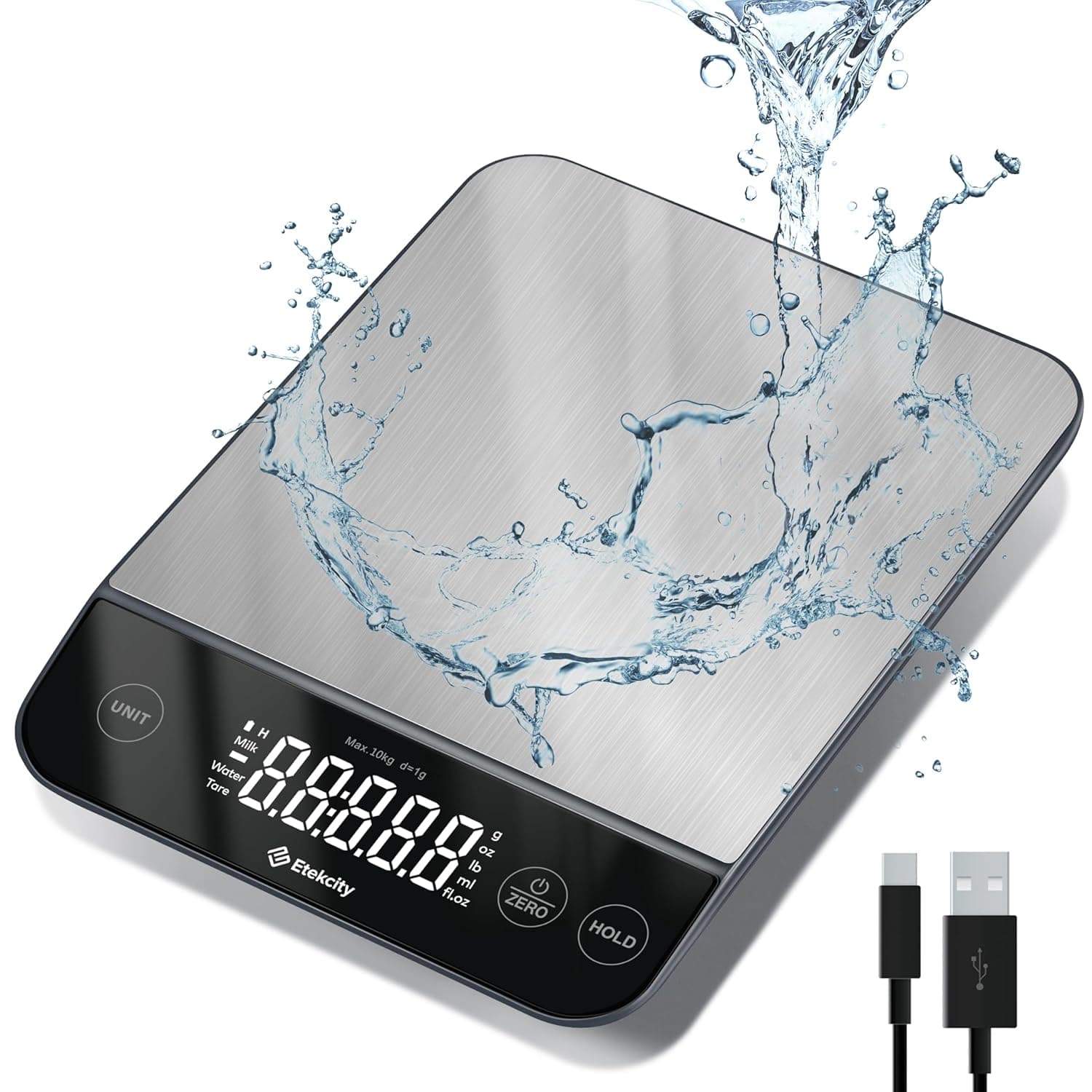
Accurate to 1g for perfect portions
Precise and built for daily macro tracking. Waterproof stainless steel, USB-rechargeable, and accurate to 1 gram for perfectly measured meals every time.
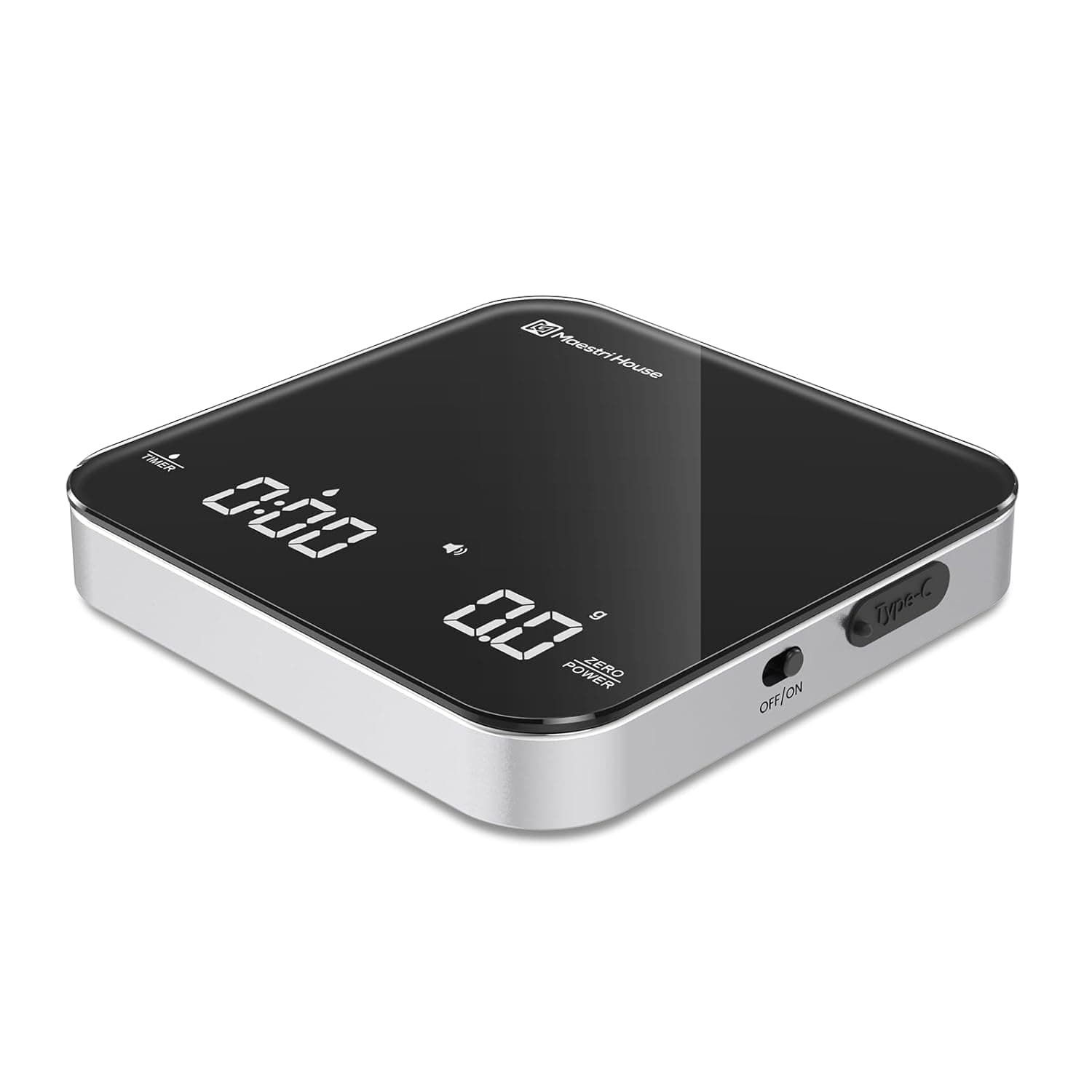
Travel-friendly 0.1g precision
Precision 0.1g accuracy in a compact, travel-friendly design. Perfect for tracking macros, portioning meals, or timing recipes—USB-C rechargeable and built for everyday use.
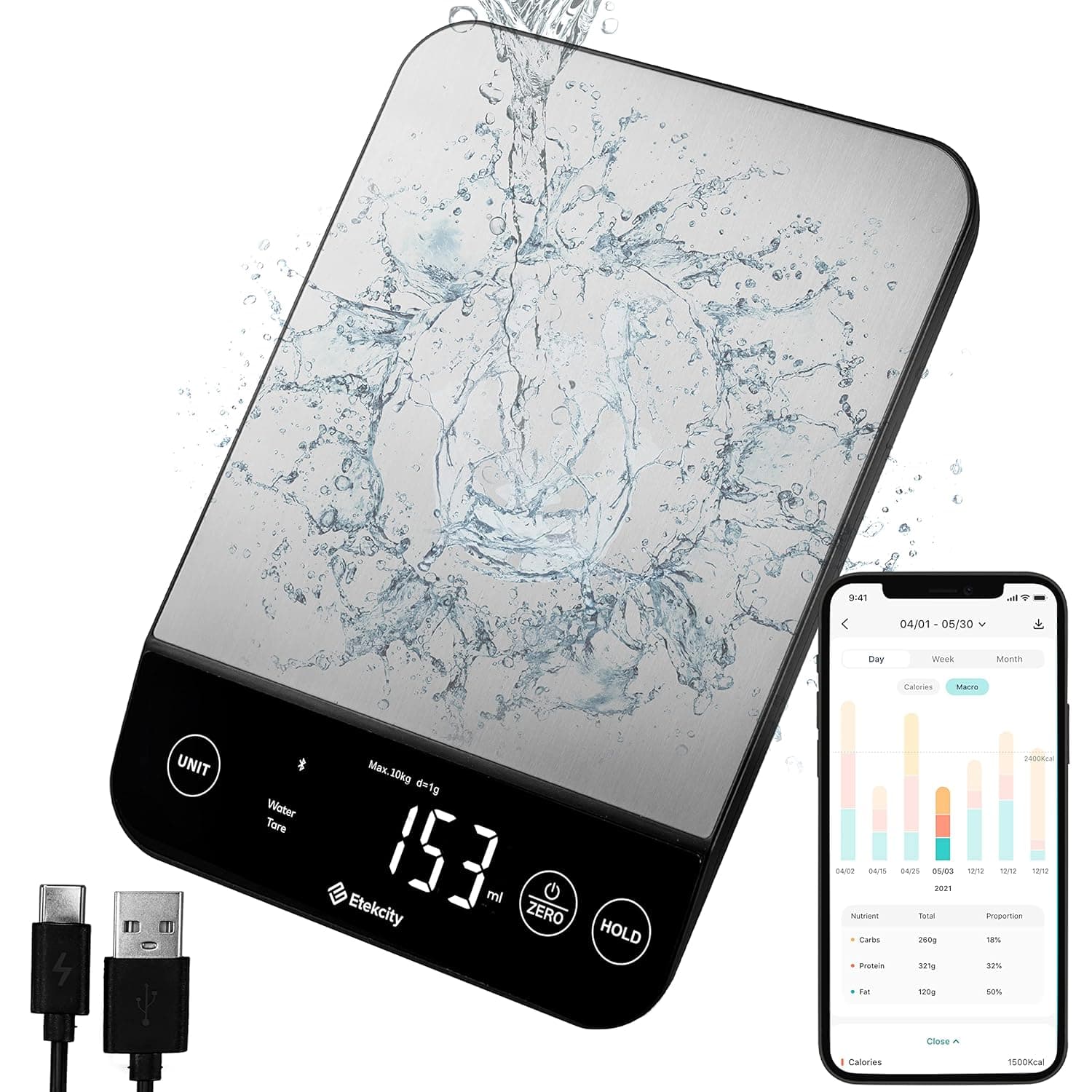
Smart tracking via Bluetooth app
Everything you love about our 'pick,' but smarter and app-connected: waterproof stainless steel, calorie and macro tracking via Bluetooth, USB-rechargeable, and accurate up to 22 lb.
Take your fitness journey further with our comprehensive collection of calculators, trackers, and educational content.