
Discover how a simple trick of cooling your carbs like rice and potatoes can transform them into resistant starch, a powerful tool for blood sugar control.

Have you ever heard that cold leftover rice or potato salad might be 'healthier' than their freshly cooked, steaming counterparts? It sounds like a strange nutrition myth, but there's solid science behind it. The secret lies in the difference between regular starch and something called resistant starch, and understanding it can be a game-changer for your energy levels, gut health, and body composition goals.
Most starchy foods you eat, like fresh bread, pasta, or a hot baked potato, are made of what scientists call 'rapidly digestible starches.' When you eat them, your digestive enzymes get to work quickly, breaking the starch down into glucose (sugar). This glucose is absorbed into your bloodstream, causing a rapid rise in blood sugar and a subsequent insulin response to manage it. This process is perfectly normal, but frequent, large spikes can lead to energy crashes and may be a concern for metabolic health over time.
Resistant starch (RS) is a unique type of carbohydrate that, as its name suggests, 'resists' digestion in your small intestine. Instead of being broken down into sugar, it travels largely intact to your large intestine. There, it acts more like a prebiotic fiber, feeding the beneficial bacteria in your gut. Research shows this process produces beneficial compounds like butyrate, a short-chain fatty acid that serves as a primary energy source for the cells lining your colon and has anti-inflammatory properties.
So, how do you get more resistant starch? Some foods like green bananas, legumes, and whole grains naturally contain it. But the most interesting way is through a process called retrogradation. When you cook starchy foods like potatoes, rice, or pasta and then let them cool, their molecular structure changes. The starch molecules recrystallize into a form that is harder for your body's enzymes to break down. This new structure is a type of resistant starch known as RS3 (Retrograded Starch).
This means that a portion of the carbohydrates in those cooled foods is no longer absorbed as sugar, resulting in a lower calorie count and a smaller impact on your blood sugar. Even if you reheat the food later, a significant amount of the resistant starch remains.
Understanding resistant starch has practical benefits for anyone focused on their health and fitness.
As an Amazon Associate we earn from qualifying purchases.
Gear that pairs well with what you just read.
As an Amazon Associate we earn from qualifying purchases.
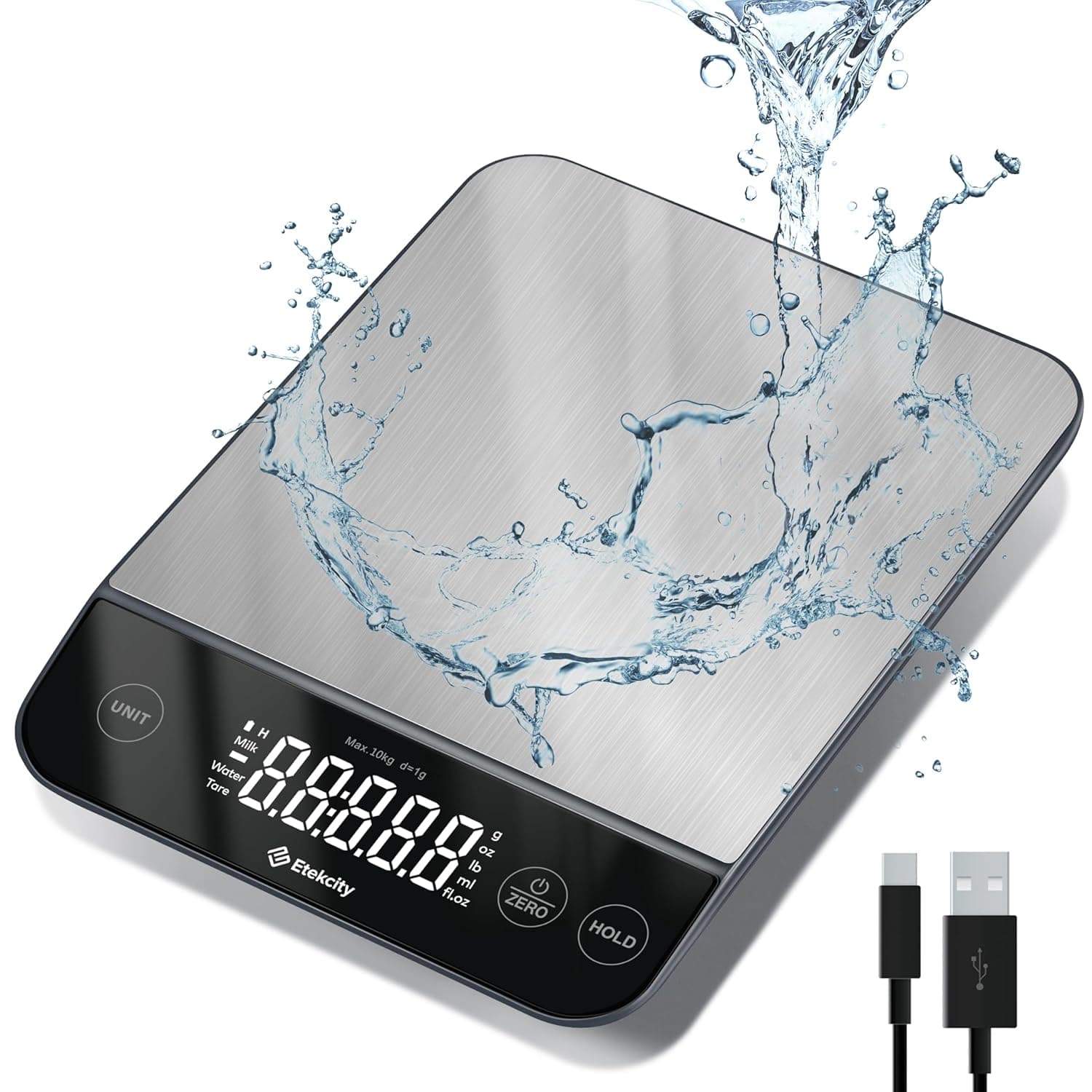
Accurate to 1g for perfect portions
Precise and built for daily macro tracking. Waterproof stainless steel, USB-rechargeable, and accurate to 1 gram.
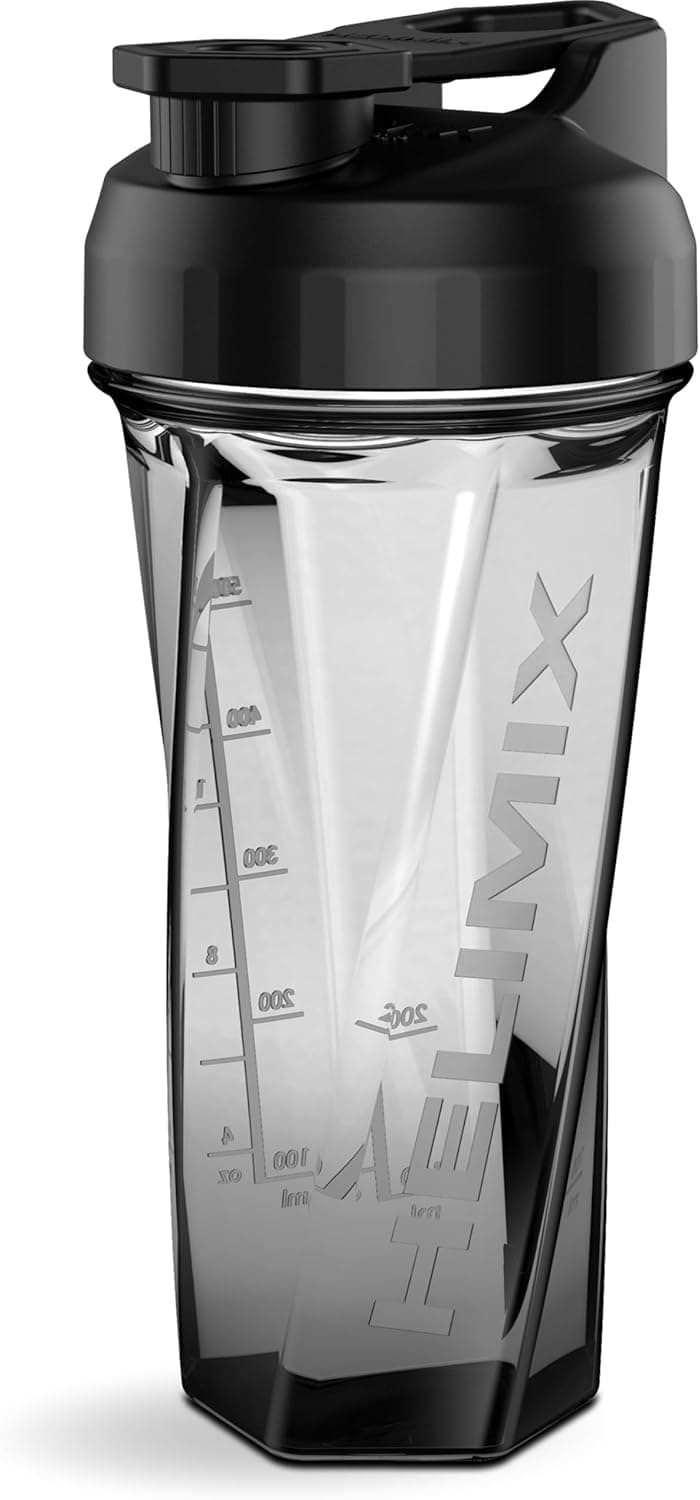
Zero-clump mixing, no ball needed
Mixes perfectly without a ball or whisk. USA-made, durable, and designed for protein shakes on the go.
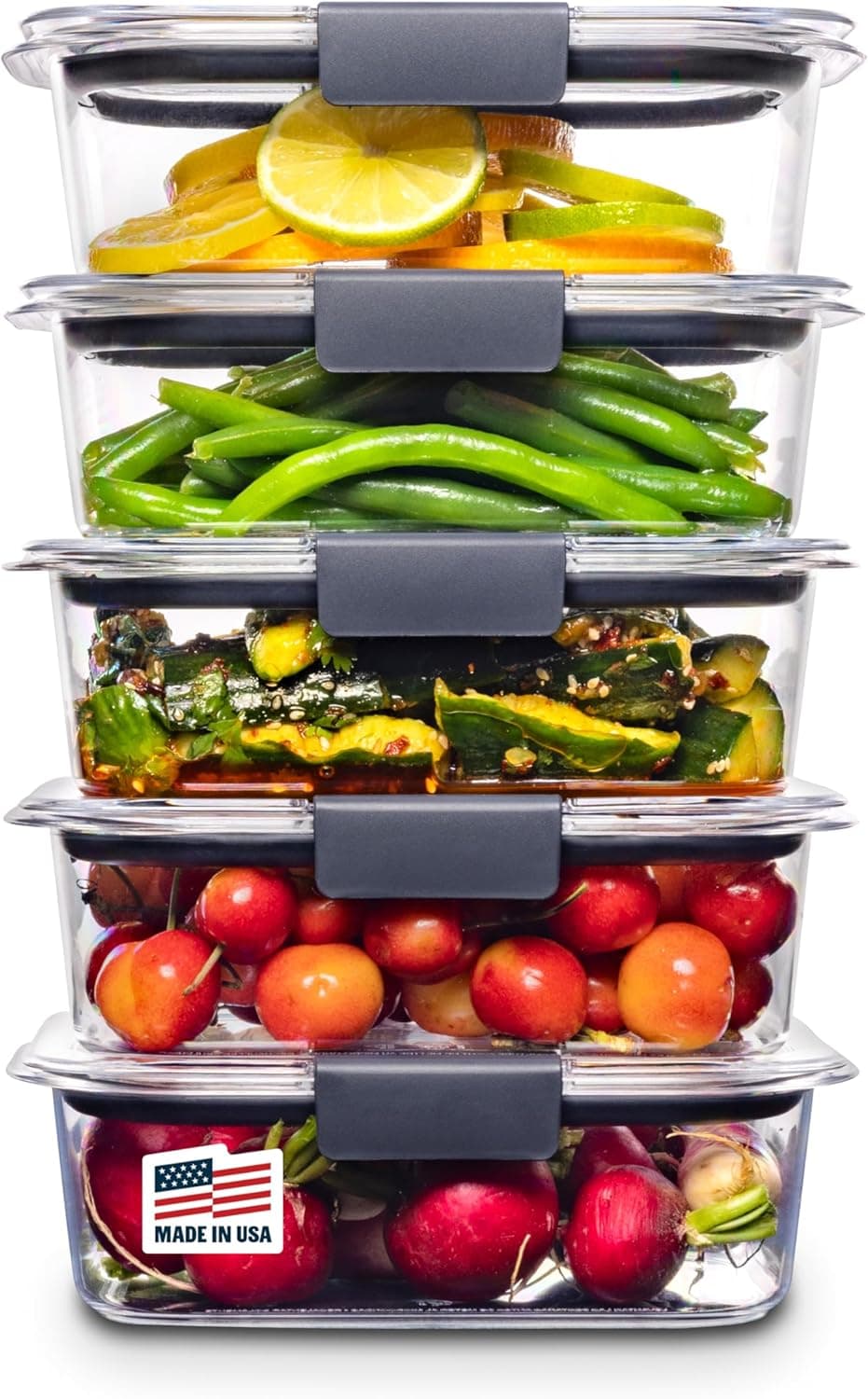
Leakproof meal prep containers
Crystal-clear, BPA-free containers with leakproof, airtight lids. Perfect for portioning macro-friendly meals.
Take your fitness journey further with our comprehensive collection of calculators, trackers, and educational content.