
Discover how resistant starch acts as a powerful prebiotic, feeding your beneficial gut bacteria to produce butyrate, a key compound for reducing inflammation and supporting colon health. Learn how to add it to your diet safely.

When we talk about nutrition for gut health, probiotics and fiber usually take center stage. But there's another powerful player you should know about: resistant starch. This unique type of carbohydrate doesn't act like other starches. Instead, it functions as a potent prebiotic, providing essential fuel for the beneficial bacteria living in your gut.
Resistant starch (RS) gets its name because it 'resists' digestion in your small intestine. While most starches are quickly broken down into sugar, RS travels largely intact all the way to your large intestine, or colon. Once there, it becomes a food source for your gut microbiota. This process of fermentation by gut bacteria is what unlocks its significant health benefits, particularly the production of beneficial compounds called short-chain fatty acids (SCFAs).
Think of resistant starch as a targeted meal for the most beneficial residents of your gut. Human microbiome studies show that consuming resistant starch can increase levels of helpful bacteria. Research published in *Frontiers in Nutrition* highlights that RS intake is associated with higher levels of butyrate-producing bacteria like *Faecalibacterium prausnitzii* and *Ruminococcus bromii*, which are linked to a healthy, anti-inflammatory gut environment.
When your gut bacteria ferment resistant starch, they produce several SCFAs, but one stands out for its crucial role in colon health: butyrate. According to research, butyrate is incredibly important for several reasons:
While there's no official daily recommendation, much of the research showing clear benefits for glucose metabolism and gut microbiota used amounts between 15-30 grams of resistant starch per day. Many people in Western countries get less than 5 grams per day, so increasing your intake can make a significant difference.
As an Amazon Associate we earn from qualifying purchases.
Gear that pairs well with what you just read.
As an Amazon Associate we earn from qualifying purchases.

Accurate to 1g for perfect portions
Precise and built for daily macro tracking. Waterproof stainless steel, USB-rechargeable, and accurate to 1 gram.
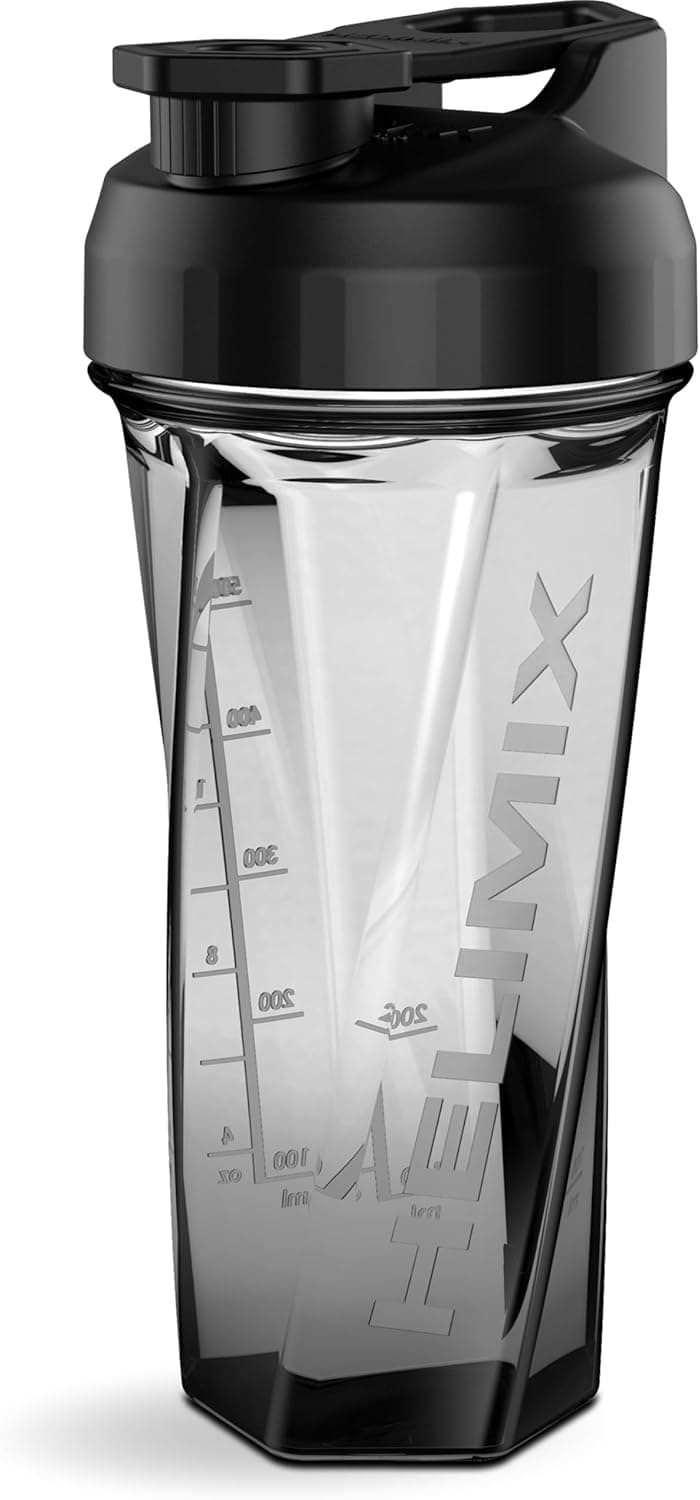
Zero-clump mixing, no ball needed
Mixes perfectly without a ball or whisk. USA-made, durable, and designed for protein shakes on the go.

Leakproof meal prep containers
Crystal-clear, BPA-free containers with leakproof, airtight lids. Perfect for portioning macro-friendly meals.
Take your fitness journey further with our comprehensive collection of calculators, trackers, and educational content.
The key is to start low and go slow. Suddenly adding a large amount of resistant starch can cause temporary gas and bloating as your gut microbiome adjusts. Try adding one source of RS to your diet and gradually increasing the amount over a couple of weeks. Some of the best sources include:
For those with certain health conditions, it's always a good idea to speak with a doctor or registered dietitian. Some research notes that for individuals with significant pre-existing gut inflammation, butyrate could have different effects, so personalized advice is important.