
Confused by protein grams and % Daily Value on nutrition labels? Learn what each number means, which one to track for your goals, and why the FDA's 50g daily value may not apply to you.

When you check a food label for protein, you see two numbers: the grams and the Percent Daily Value (%DV). It can be confusing to know which one to focus on. Are you getting 15 grams or 30% of your protein? Let's break down what these numbers mean so you can make informed choices that align with your health and fitness goals.
The number of grams (g) is the most straightforward measurement. It tells you the actual weight of the protein in one serving of that food. If a serving of Greek yogurt lists 15g of protein, you are consuming exactly 15 grams of that macronutrient. For anyone tracking their food intake for specific goals, like building muscle or managing weight, this is the most important number to watch.
The %DV is a reference amount set by the U.S. Food and Drug Administration (FDA) to help consumers understand how a nutrient in a serving of food fits into a total daily diet. According to the FDA, the Daily Value for protein is 50 grams per day for adults and children over 4, based on a general 2,000-calorie diet.
So, if that yogurt with 15g of protein says '30% DV', it means it provides 30% of the 50 grams recommended for a general diet. While helpful for a quick glance, this number isn't personalized. Your actual protein needs can be very different depending on your body weight, activity level, age, and goals.
The answer depends on your approach to nutrition. For most people with specific fitness or health objectives, **focusing on grams is more effective**. Research suggests active individuals often benefit from higher protein intake, sometimes in the range of 1.2 to 2.0 grams per kilogram of body weight per day (International Society of Sports Nutrition, 2017). The %DV's 50-gram standard may not be sufficient for these individuals.
The %DV is useful for making quick comparisons between products at the grocery store. If you're deciding between two types of bread and one has 10% DV for protein while the other has 4%, you can easily see which is a better source without needing a calculator. It provides context, but grams provide precision.
As an Amazon Associate we earn from qualifying purchases.
Gear that pairs well with what you just read.
As an Amazon Associate we earn from qualifying purchases.
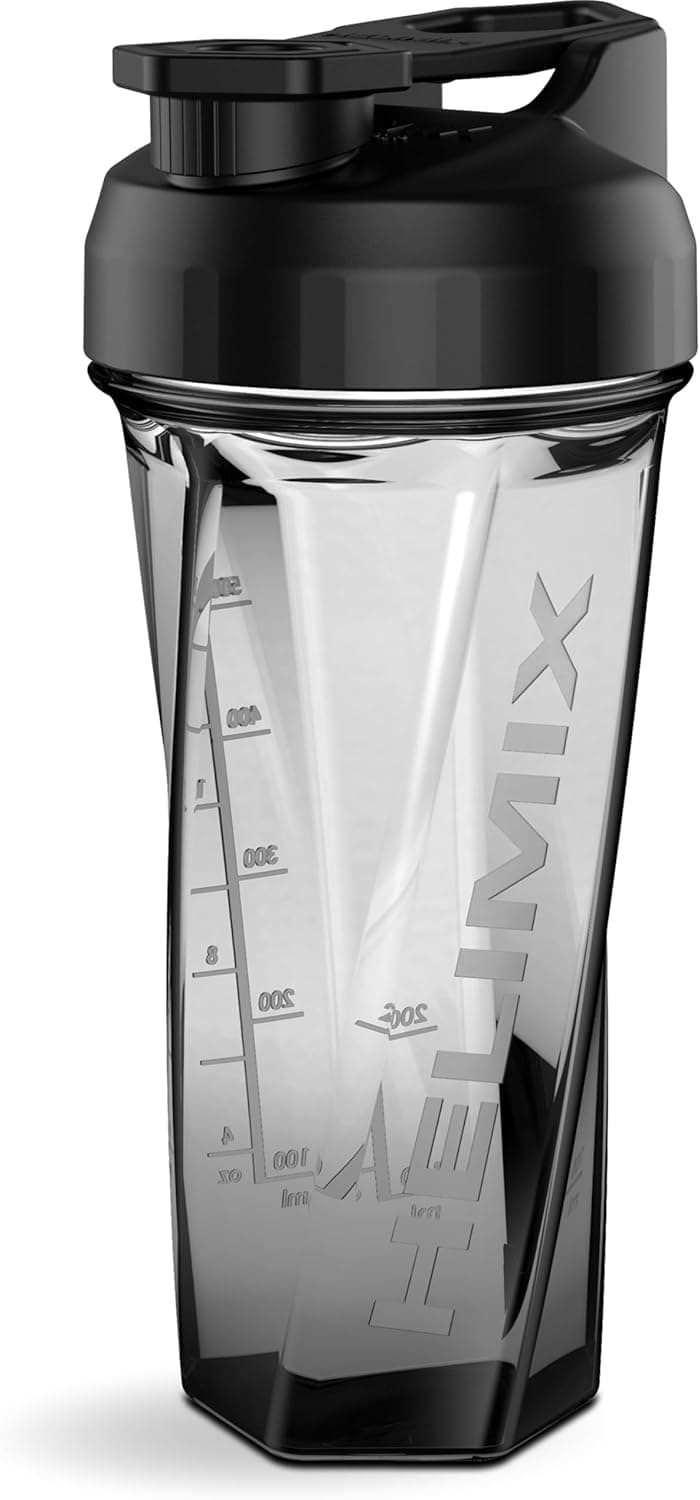
Zero-clump mixing, no ball needed
A shaker that mixes perfectly without a ball or whisk. USA-made, durable, and designed to blend protein shakes, smoothies, or pre-workout on the go with zero clumps.
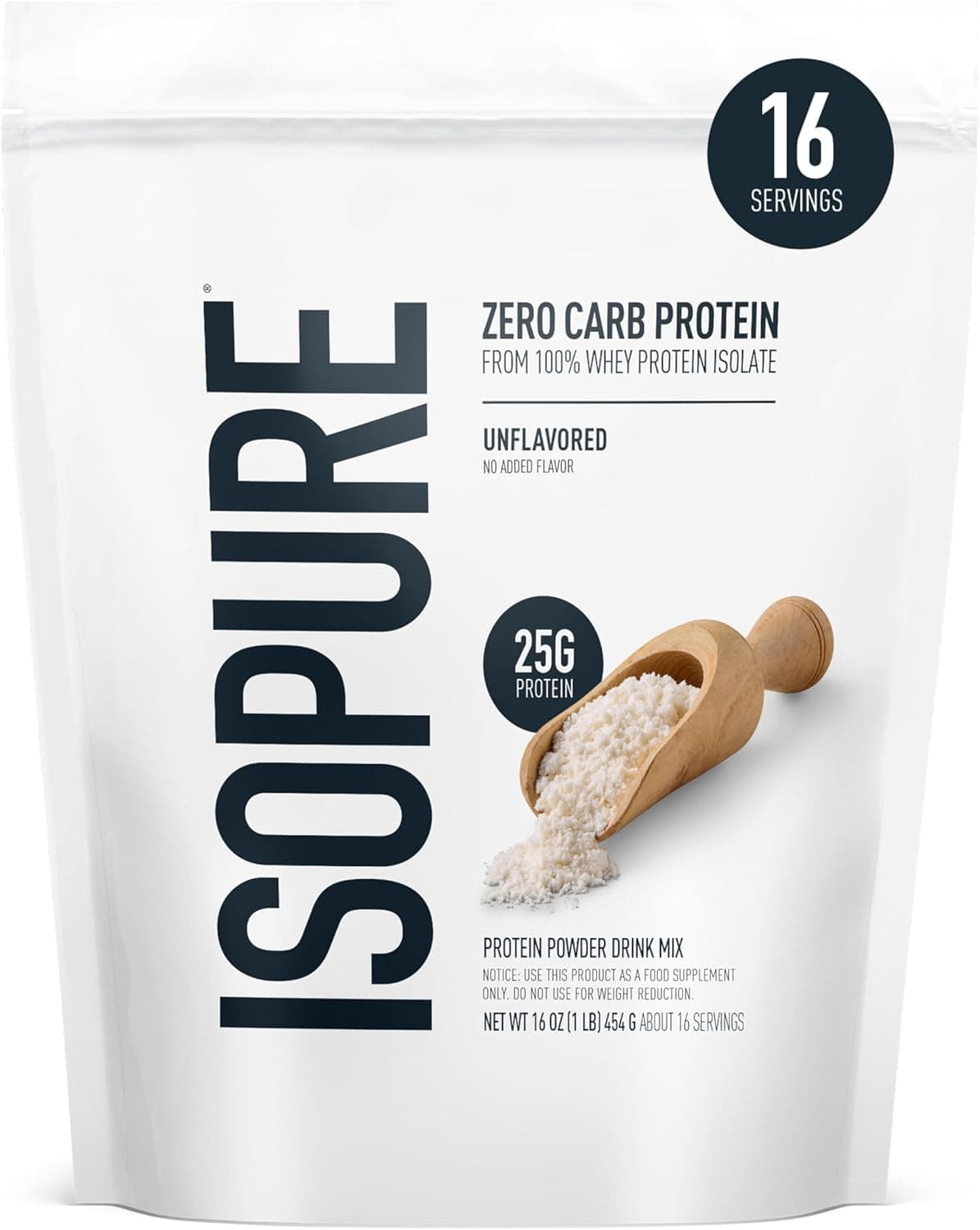
25g pure protein, zero carbs
Ultra-lean, zero-carb whey isolate with 25g of lactose-free, gluten-free protein per scoop. Perfect for boosting daily protein intake without added sugars, flavors, or fillers.
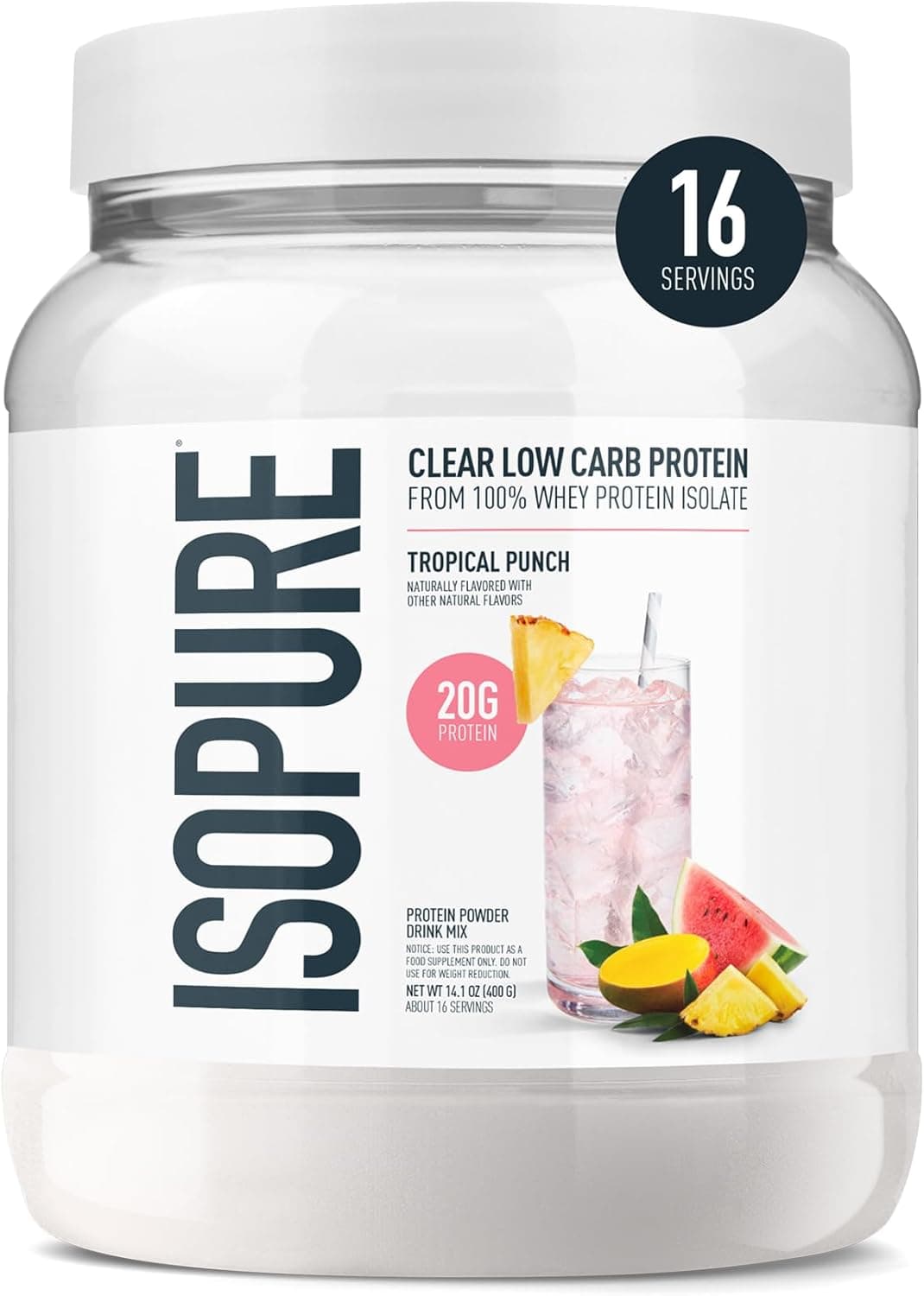
Light, juice-style protein drink
A crisp, juice-style whey isolate with 20g of lactose-free, gluten-free protein per serving. Perfect when you want a lighter, refreshing way to hit your daily protein goals.
Take your fitness journey further with our comprehensive collection of calculators, trackers, and educational content.