
Learn exactly how to calculate your TDEE (Total Daily Energy Expenditure) to set accurate calorie targets for fat loss, muscle gain, or maintenance. This guide breaks down the four components and walks you through the formula with a real-world example.

Ever wonder why some people can eat more than others without gaining weight? The answer often lies in their Total Daily Energy Expenditure, or TDEE. Understanding your personal TDEE is the single most important step in taking control of your nutrition. This guide will show you exactly how to calculate TDEE, what it means, and how to use it to finally reach your goals.
TDEE stands for Total Daily Energy Expenditure. It represents the total number of calories your body burns in a 24-hour period. Think of it as your body's total energy budget. Every function, from breathing and thinking to working out and digesting food, requires energy in the form of calories. Your TDEE is the sum of all this energy expenditure. Knowing this number is crucial because it forms the baseline for setting your nutrition targets, a core concept in understanding your macros basics.
Your TDEE isn't just one single thing; it's made up of four distinct components that contribute to your total daily calorie burn.
Your BMR is the number of calories your body burns at complete rest to perform its most basic, life-sustaining functions. This includes breathing, circulating blood, regulating body temperature, and cell production. It's the largest contributor to your TDEE, typically accounting for about 60-75% of your total calorie burn.
Your body uses energy to digest, absorb, and metabolize the food you eat. This is the Thermic Effect of Food, which accounts for about 10% of your TDEE. Interestingly, different macronutrients have different thermic effects. Protein has the highest TEF, meaning your body burns more calories processing protein than it does for carbs or fats. This is one reason why a higher protein intake can be beneficial for body composition.
NEAT includes all the calories you burn from activities that are not formal exercise. This covers everything from walking to your car and fidgeting at your desk to doing chores and cooking dinner. While it might seem small, NEAT can have a huge impact on your TDEE, varying by hundreds of calories per day between individuals. Research highlights NEAT as a critical and often overlooked factor in managing body weight.
As an Amazon Associate we earn from qualifying purchases.
Gear that pairs well with what you just read.
As an Amazon Associate we earn from qualifying purchases.
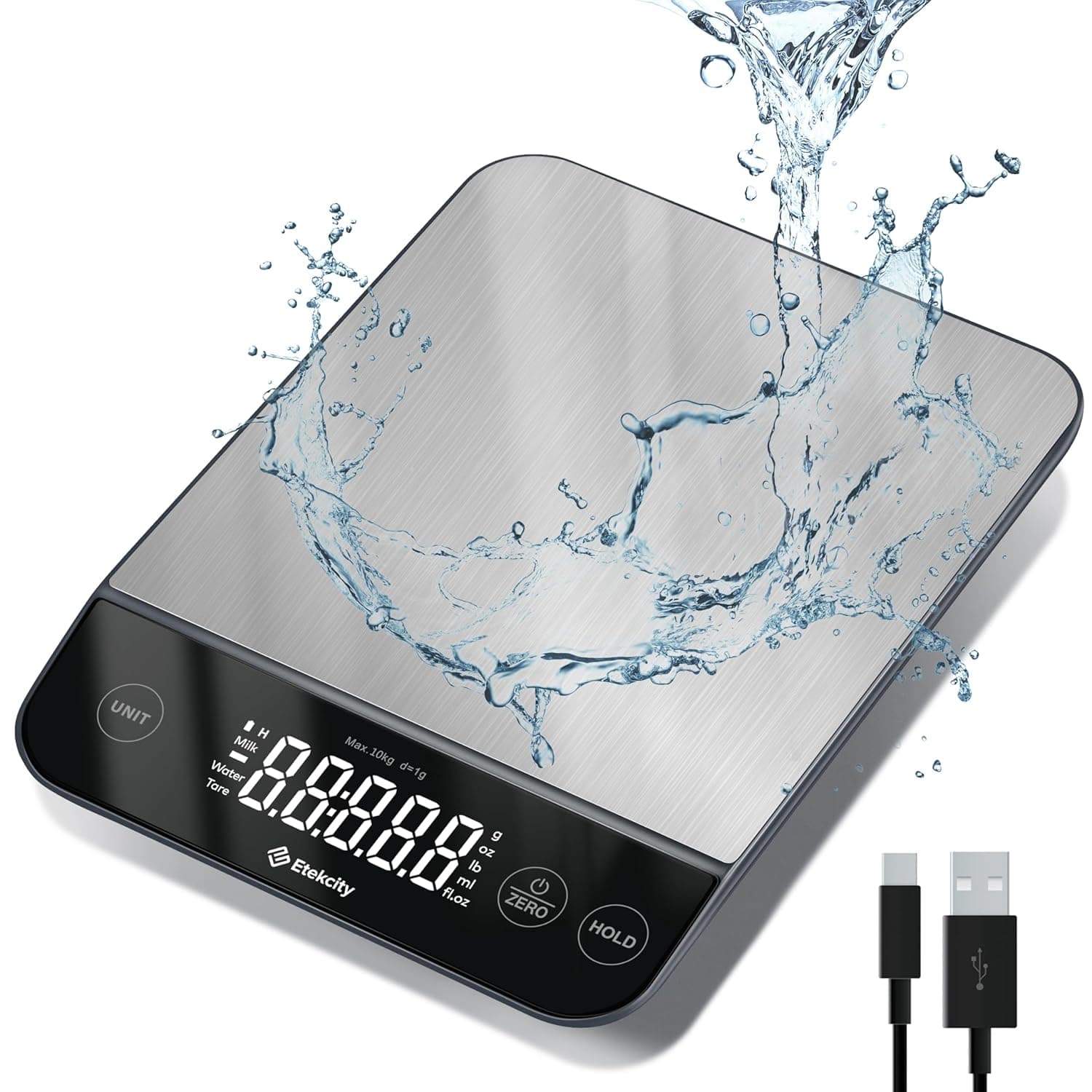
Accurate to 1g for perfect portions
Precise and built for daily macro tracking. Waterproof stainless steel, USB-rechargeable, and accurate to 1 gram for perfectly measured meals every time.
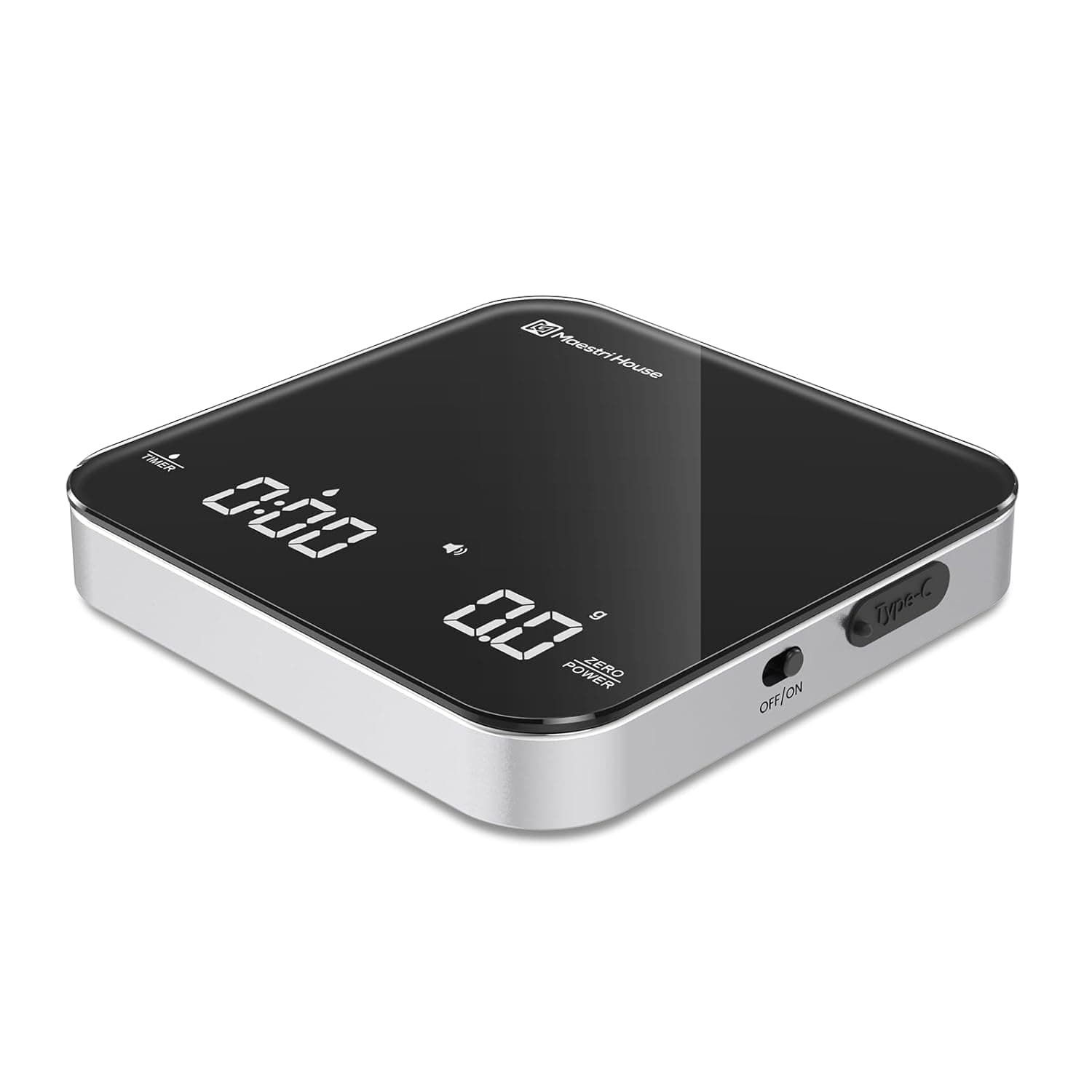
Travel-friendly 0.1g precision
Precision 0.1g accuracy in a compact, travel-friendly design. Perfect for tracking macros, portioning meals, or timing recipes—USB-C rechargeable and built for everyday use.
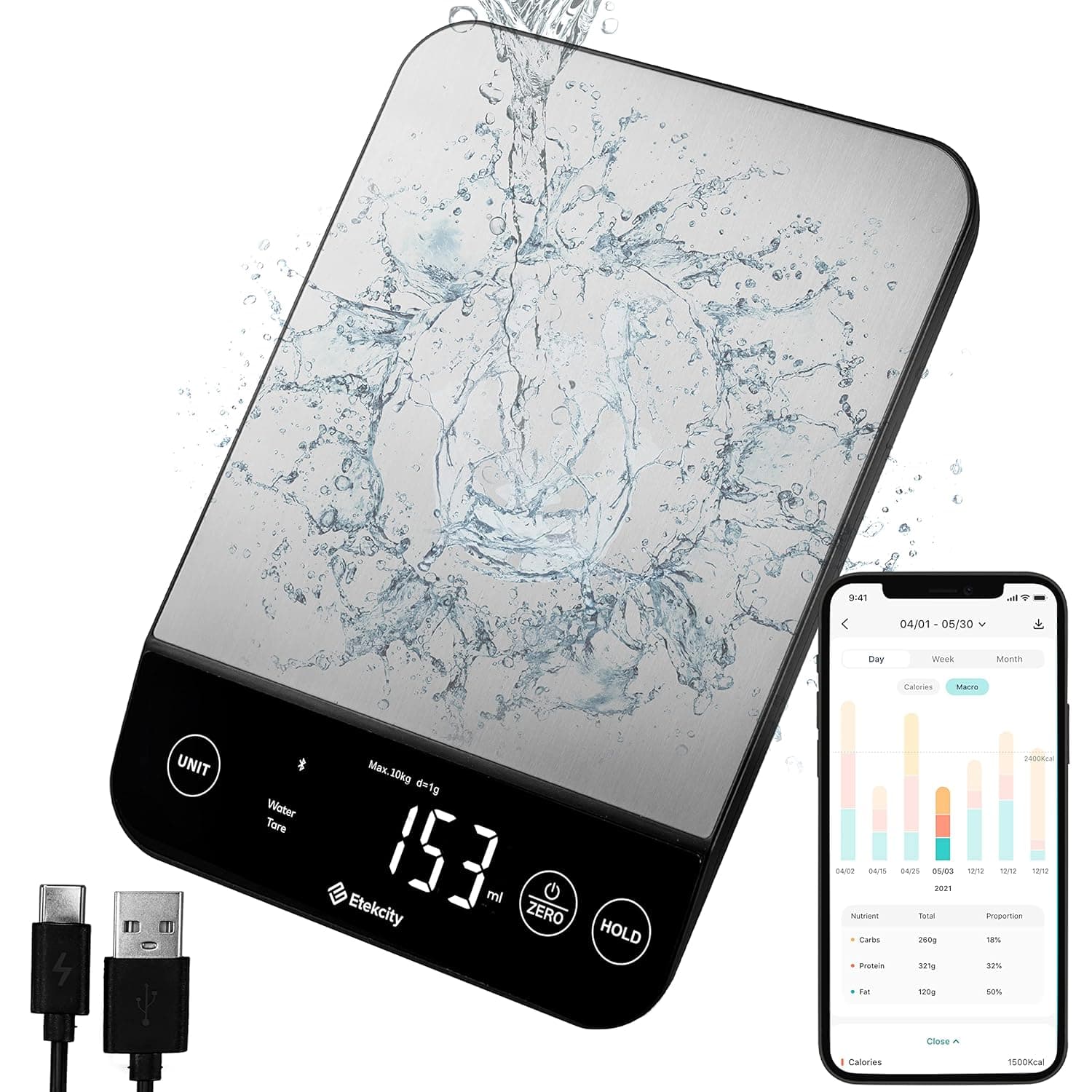
Smart tracking via Bluetooth app
Everything you love about our 'pick,' but smarter and app-connected: waterproof stainless steel, calorie and macro tracking via Bluetooth, USB-rechargeable, and accurate up to 22 lb.
Take your fitness journey further with our comprehensive collection of calculators, trackers, and educational content.
EAT is the component you probably think of first: the calories you burn during planned, structured exercise sessions. This includes activities like lifting weights, running, cycling, or playing sports. For most people, EAT makes up a smaller portion of their TDEE than BMR or NEAT, typically around 5-15%.
Now that you understand the components, let's calculate your TDEE. We'll use the Mifflin-St Jeor equation, which is widely considered one of the most accurate methods for estimating BMR.
First, you need to find your Basal Metabolic Rate using the appropriate formula below. You'll need your weight in kilograms, height in centimeters, and age in years.
Next, multiply your BMR by an activity factor that best reflects your daily movement. It's important to be honest here; overestimating your activity level is a common mistake that can lead to inaccurate calorie targets.
Let's calculate the TDEE for a 30-year-old woman who is 165cm tall, weighs 70kg, and is moderately active (works out 3-4 times per week).
Her estimated TDEE, or maintenance calories, is approximately 2,201 calories per day.
Once you know your TDEE, you can adjust your calorie intake to support your specific goal.
It's important to remember that any TDEE calculation is an estimate. The best approach is to use your calculated TDEE as a starting point, track your intake and body weight for 2-3 weeks, and adjust your calories up or down based on your real-world results. This process helps you avoid many of the common mistakes people make when tracking calories.
Ready to find out your numbers without doing the math yourself? Use our free and easy TDEE Calculator to get your personalized estimate in seconds.