
Learn what Total Daily Energy Expenditure is and how to calculate it using simple steps. Understand your BMR, activity levels, and how to set calorie targets.

Ever wondered exactly how many calories your body needs each day? Whether your goal is fat loss, muscle gain, or simply maintaining your current weight, understanding your energy needs is the first step. This is where your Total Daily Energy Expenditure, or TDEE, comes in. This guide will walk you through how to calculate your TDEE and use it to build an effective nutrition plan.
In simple terms, your TDEE is the total number of calories your body burns in a 24-hour period. It's not just about the calories you burn during exercise; it includes everything. Your TDEE is made up of a few key components, with the most significant being your Basal Metabolic Rate (BMR).
Your BMR represents the calories your body uses at complete rest to perform basic life-sustaining functions like breathing, circulating blood, and regulating body temperature. It accounts for about 60-75% of your total daily energy expenditure. The rest comes from the energy used to digest food (Thermic Effect of Food) and, of course, your physical activity.
Calculating your TDEE is a straightforward process. First, you'll estimate your BMR, and then you'll multiply that number by a factor that represents your daily activity level.
While there are several formulas, the Mifflin-St Jeor equation is considered the most accurate BMR estimation method by many experts, including the Academy of Nutrition and Dietetics. Here are the formulas:
To use these, you'll need your weight in kilograms (pounds / 2.2) and your height in centimeters (inches x 2.54).
Next, you'll multiply your BMR by an activity multiplier. It's important to be honest with yourself here, as many people tend to overestimate their activity level. If you're unsure, it's often better to choose the lower category. Of course, for an easier way to get this number, you can always use our free TDEE calculator.
Let's calculate the TDEE for a 30-year-old woman who is 168 cm (5'6") tall, weighs 68 kg (150 lbs), and is moderately active.
Once you know your TDEE, you can adjust your calorie intake to match your goals. This is based on the principle of energy balance. Understanding how calories break down into macronutrients is also crucial for building a plan that supports your body composition goals.
After setting your calorie target, you can determine your ideal protein, carb, and fat intake with a tool like our macro calculator.
Keep in mind that any TDEE calculation is an estimate. The best approach is to use your calculated number as a starting point. Track your intake and your body weight for 2-3 weeks. If your weight is trending in the direction you want, great. If not, you can make small adjustments to your calorie intake (about 100-200 calories) and monitor again. Your TDEE will also change as your weight, age, or activity level changes, so it's a good idea to recalculate it periodically.
As an Amazon Associate we earn from qualifying purchases.
Gear that pairs well with what you just read.
As an Amazon Associate we earn from qualifying purchases.
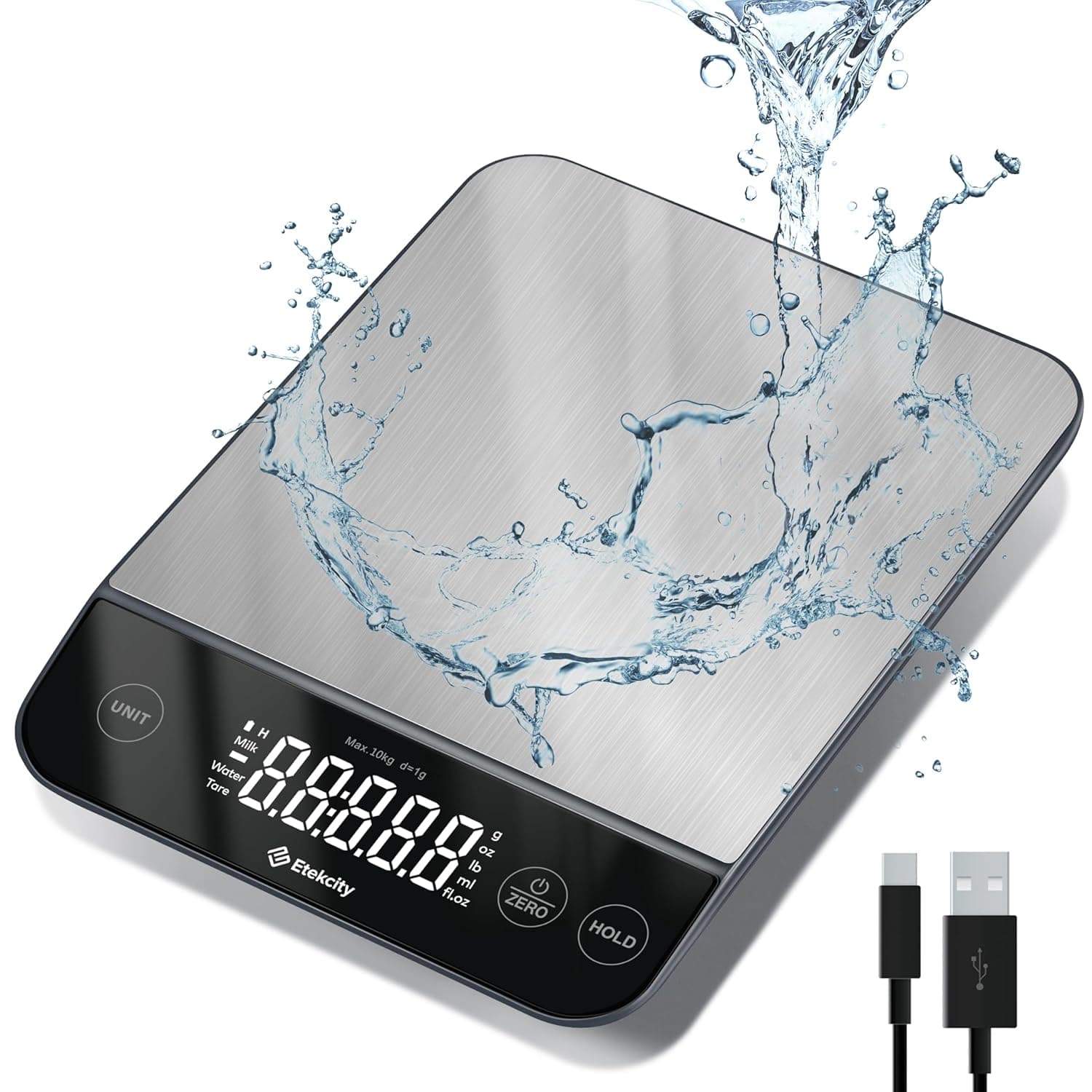
Accurate to 1g for perfect portions
Precise and built for daily macro tracking. Waterproof stainless steel, USB-rechargeable, and accurate to 1 gram for perfectly measured meals every time.
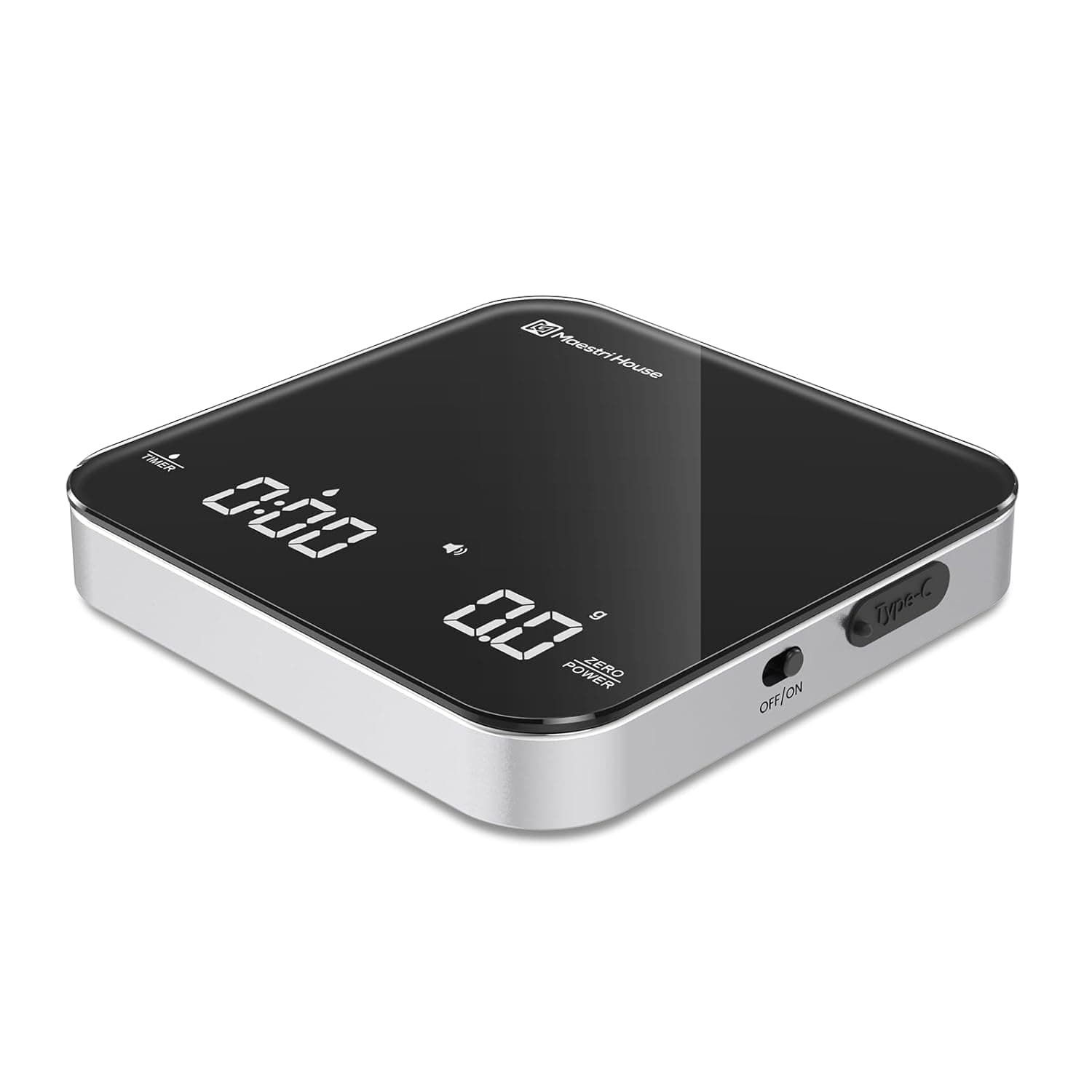
Travel-friendly 0.1g precision
Precision 0.1g accuracy in a compact, travel-friendly design. Perfect for tracking macros, portioning meals, or timing recipes—USB-C rechargeable and built for everyday use.
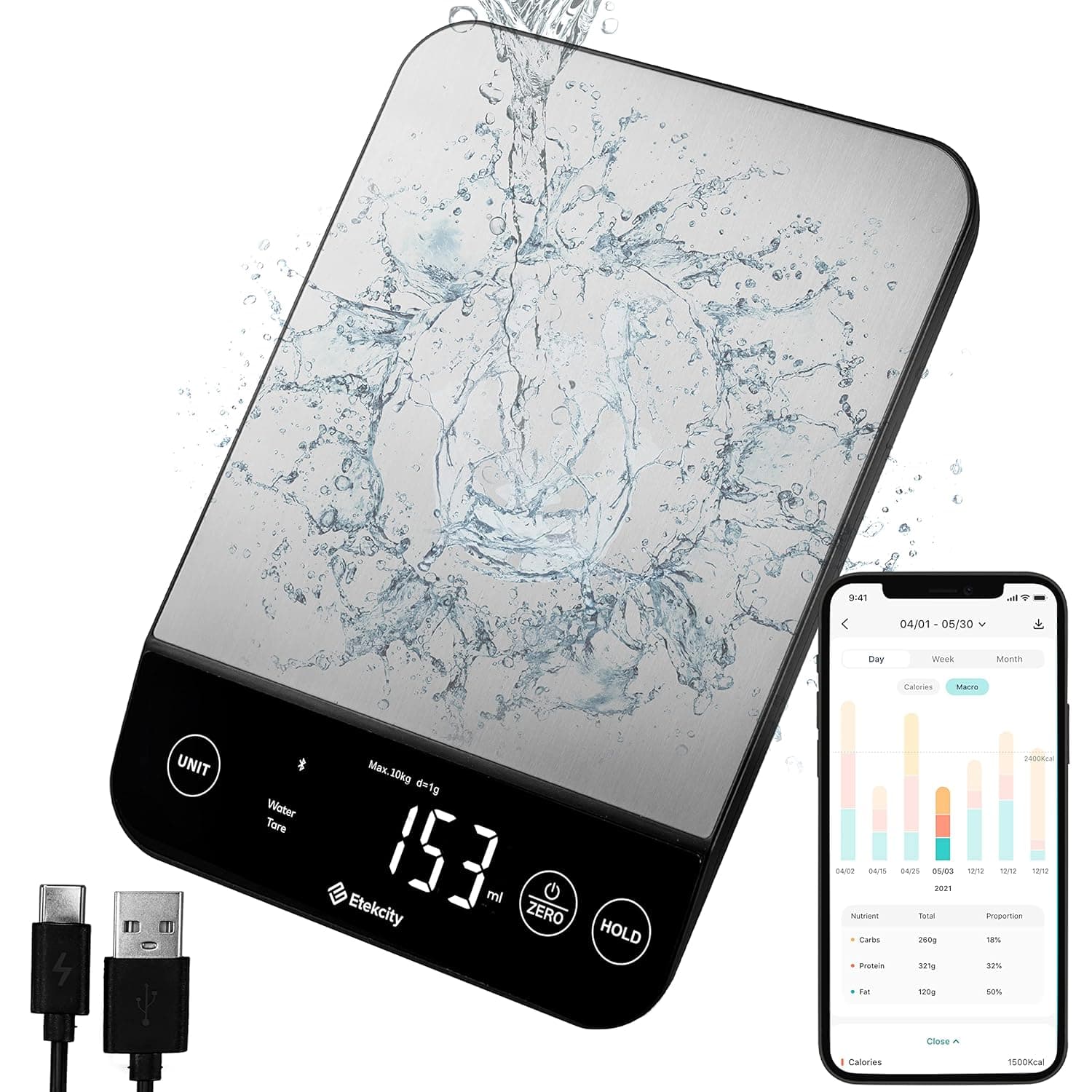
Smart tracking via Bluetooth app
Everything you love about our 'pick,' but smarter and app-connected: waterproof stainless steel, calorie and macro tracking via Bluetooth, USB-rechargeable, and accurate up to 22 lb.
Take your fitness journey further with our comprehensive collection of calculators, trackers, and educational content.