
Discover the key nutritional differences between green and ripe bananas, from resistant starch content to glycemic index. Learn which banana is better for gut health, blood sugar control, and your overall wellness goals.

You're at the grocery store, looking at a bunch of bananas. Do you grab the bright green ones or the perfectly yellow ones? This choice might seem small, but when comparing green bananas vs ripe bananas, the nutritional differences are surprisingly significant. This article will break down the science of banana ripening, comparing resistant starch content, glycemic index, and overall health benefits to help you decide which is the right choice for your body and your goals.
An unripe green banana is very different from its ripe yellow sibling on a chemical level. The primary change happens to its carbohydrates. A green banana's carbohydrate content is mostly starch, with some studies showing that starch makes up 70-80% of its dry weight. A large portion of this is a specific type called resistant starch.
Resistant starch is a unique carbohydrate that resists digestion in your small intestine. Instead, it travels to your large intestine where it acts as a prebiotic, feeding your beneficial gut bacteria. Because of this, it functions more like a soluble fiber than a typical starch. Bananas are one of the world's best sources of resistant starch when they are unripe. As the banana ripens and turns yellow, enzymes convert most of this resistant starch into simple sugars (like sucrose, fructose, and glucose), which is why ripe bananas taste much sweeter.
The difference in resistant starch grams is the most critical factor when comparing the two. A medium-sized green banana can contain an impressive 10-15 grams of resistant starch. However, as it ripens to a fully yellow state, the resistant starch content plummets to just 1-2 grams or even less. This transformation has major implications for your gut health and blood sugar levels.
Because ripe bananas are higher in simple sugars, they are digested more quickly, leading to a faster rise in blood sugar. Unripe green bananas, with their high resistant starch and fiber content, are digested much more slowly. This results in a significant difference in their glycemic index (GI), a measure of how quickly a food raises blood sugar.
A lower GI means a slower, more gradual release of glucose into the bloodstream, which is beneficial for sustained energy and blood sugar management. If you are carefully tracking your carbohydrate intake, using a tool like our can help you understand how different foods fit into your daily targets.
As an Amazon Associate we earn from qualifying purchases.
Gear that pairs well with what you just read.
As an Amazon Associate we earn from qualifying purchases.

Accurate to 1g for perfect portions
Precise and built for daily macro tracking. Waterproof stainless steel, USB-rechargeable, and accurate to 1 gram.
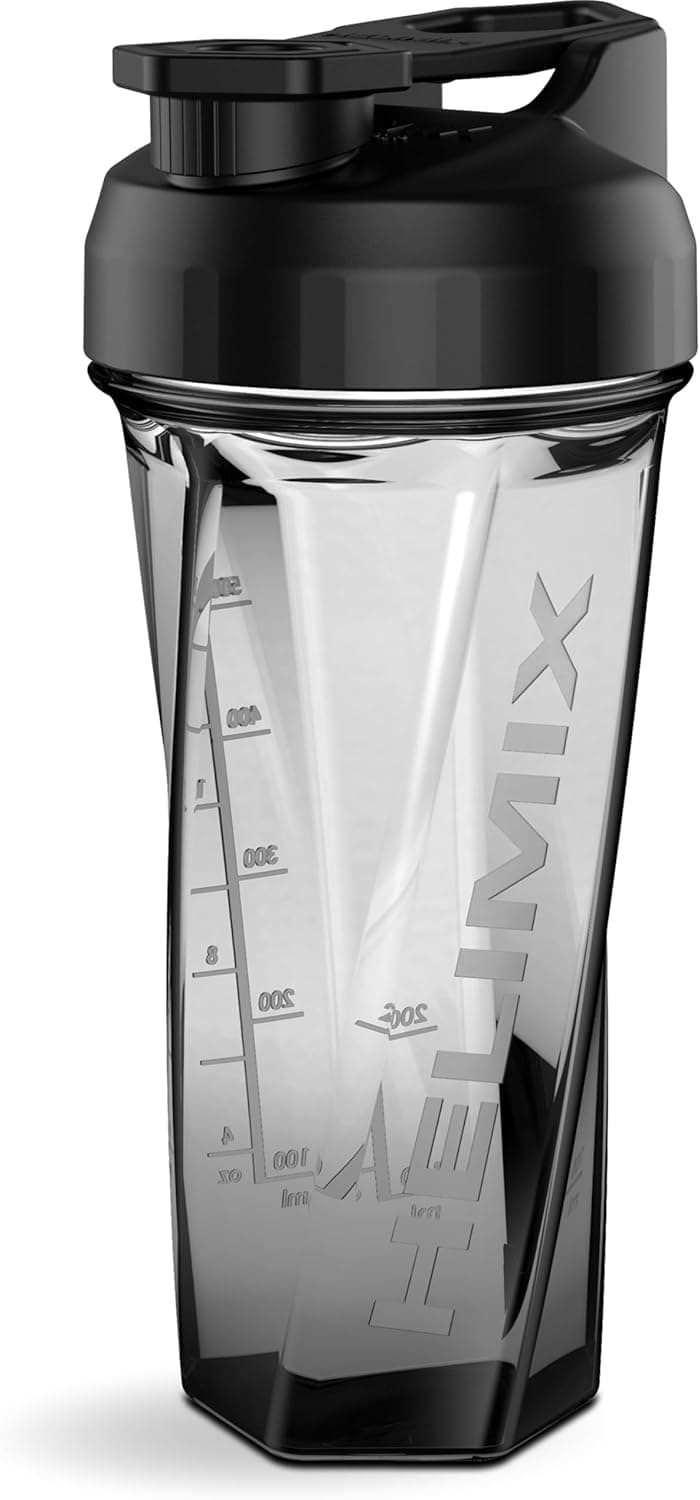
Zero-clump mixing, no ball needed
Mixes perfectly without a ball or whisk. USA-made, durable, and designed for protein shakes on the go.
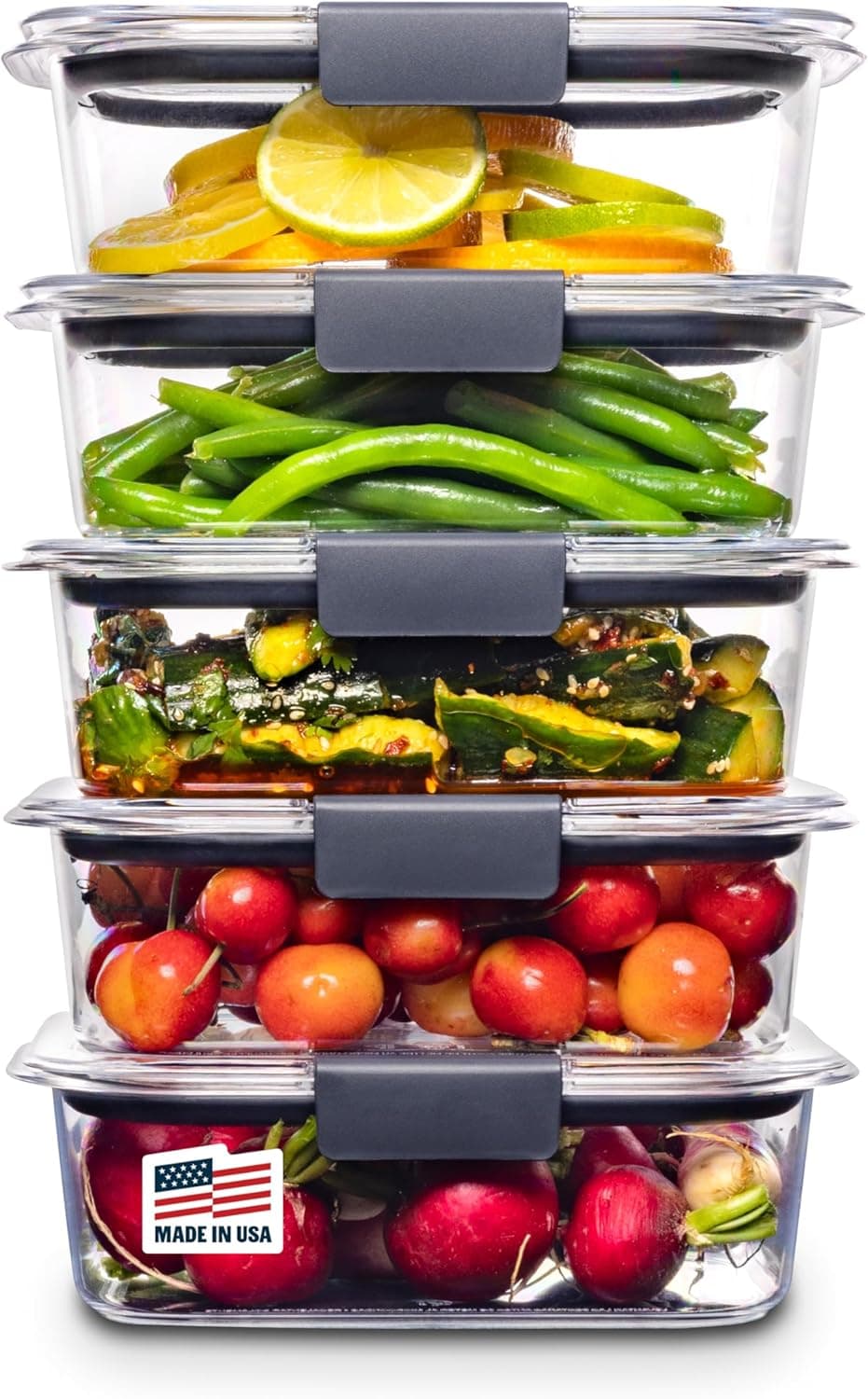
Leakproof meal prep containers
Crystal-clear, BPA-free containers with leakproof, airtight lids. Perfect for portioning macro-friendly meals.
Take your fitness journey further with our comprehensive collection of calculators, trackers, and educational content.
The answer depends entirely on your health goals.
Green bananas are firm and have a starchy, potato-like taste, so they are not ideal for eating raw. However, they are incredibly versatile in the kitchen.
Technically, green and ripe bananas have roughly the same number of calories (about 105 for a medium banana). However, the available calories might differ. Since your body cannot digest resistant starch, you don't absorb its calories. This is the same principle that explains how cold rice has resistant starch and lower available calories. While the difference for a single banana is not huge, choosing starchier, less ripe options can contribute to a lower overall calorie absorption over time.
Both green and ripe bananas offer valuable nutrients, including potassium and Vitamin B6. The best choice for you is the one that aligns with your health goals. Don't be afraid to experiment with green bananas in your cooking for their gut health and blood sugar benefits, and enjoy ripe bananas for their sweet taste and quick energy.