
Oats, green bananas, cooled rice, legumes — ranked by resistant starch content per serving with practical prep tips to maximize your intake.

Have you ever heard that cold potatoes might be better for you than hot ones? It sounds strange, but the reason has to do with a unique type of fiber called resistant starch. This guide will walk you through the best sources of resistant starch, explaining what it is, which foods have the most, and how you can easily add more to your diet.
Resistant starch is a type of carbohydrate that, as its name suggests, resists digestion in your small intestine. Instead, it travels to your large intestine, where it acts as a prebiotic, providing food for your beneficial gut bacteria. These bacteria ferment the starch into short-chain fatty acids, which can support gut health (Healthline, 2018). Think of it as a special kind of fiber with unique benefits.
Resistant starch is generally categorized into four types, based on its structure and source:
Now for the practical part: finding foods high in resistant starch. Many of these are probably already in your kitchen. Some are also excellent sources of protein, which can help you meet your daily targets. For more ideas, you can check out this list of high-protein, low-calorie foods.
As bananas ripen, their resistant starch converts to simple sugars. That’s why green, unripe bananas are a fantastic source, while yellow bananas are not. A medium-sized green banana can contain over 7 grams of resistant starch per 100g of fruit. You can add them to smoothies or use green banana flour in baking, though heating it will reduce the resistant starch content (Resistant Starch Research, 2021).
Legumes are one of the most reliable and best sources of resistant starch, containing both RS1 and RS3 after cooking and cooling. According to research, beans and lentils contain around 4-5 grams of resistant starch per 100g serving (NutritionFacts.org). Adding chickpeas to a salad, making a lentil soup, or enjoying some baked beans are all great ways to boost your intake.
The preparation method for oats matters. Raw oats, like those used in muesli or overnight oats, are rich in RS2. One study noted that 1/4 cup of uncooked oats contains around 4.4 grams of resistant starch, while the same amount cooked into porridge has only 0.5 grams. Soaking oats overnight in milk or yogurt is an excellent way to get a healthy dose.
This is where RS3 comes into play. When you cook starchy foods like rice or potatoes and then cool them, their resistant starch content increases significantly. For instance, research published in PubMed found that the resistant starch in white rice more than doubled after being cooked and cooled for 24 hours at 4°C, going from 0.64g to 1.65g per 100g (Sonia et al., 2015). This is why cold rice has unique benefits. Even better, this newly formed resistant starch is stable, meaning you can reheat the food without destroying it. So, that leftover pasta or rice is perfectly fine to warm up, and you can learn more about how reheating affects resistant starch here.
Here is a quick-reference list of resistant starch rich foods, ranked by approximate content per 100g (3.5 oz) serving. Keep in mind that amounts can vary based on preparation and ripeness.
Because it acts like a fiber, resistant starch can help with satiety and digestion without adding significantly to your digestible carb load. If you're looking to dial in your nutrition, understanding components like this is a great step. To see how these foods fit into your specific goals, try using a macro calculator to get personalized targets.
As an Amazon Associate we earn from qualifying purchases.
Gear that pairs well with what you just read.
As an Amazon Associate we earn from qualifying purchases.
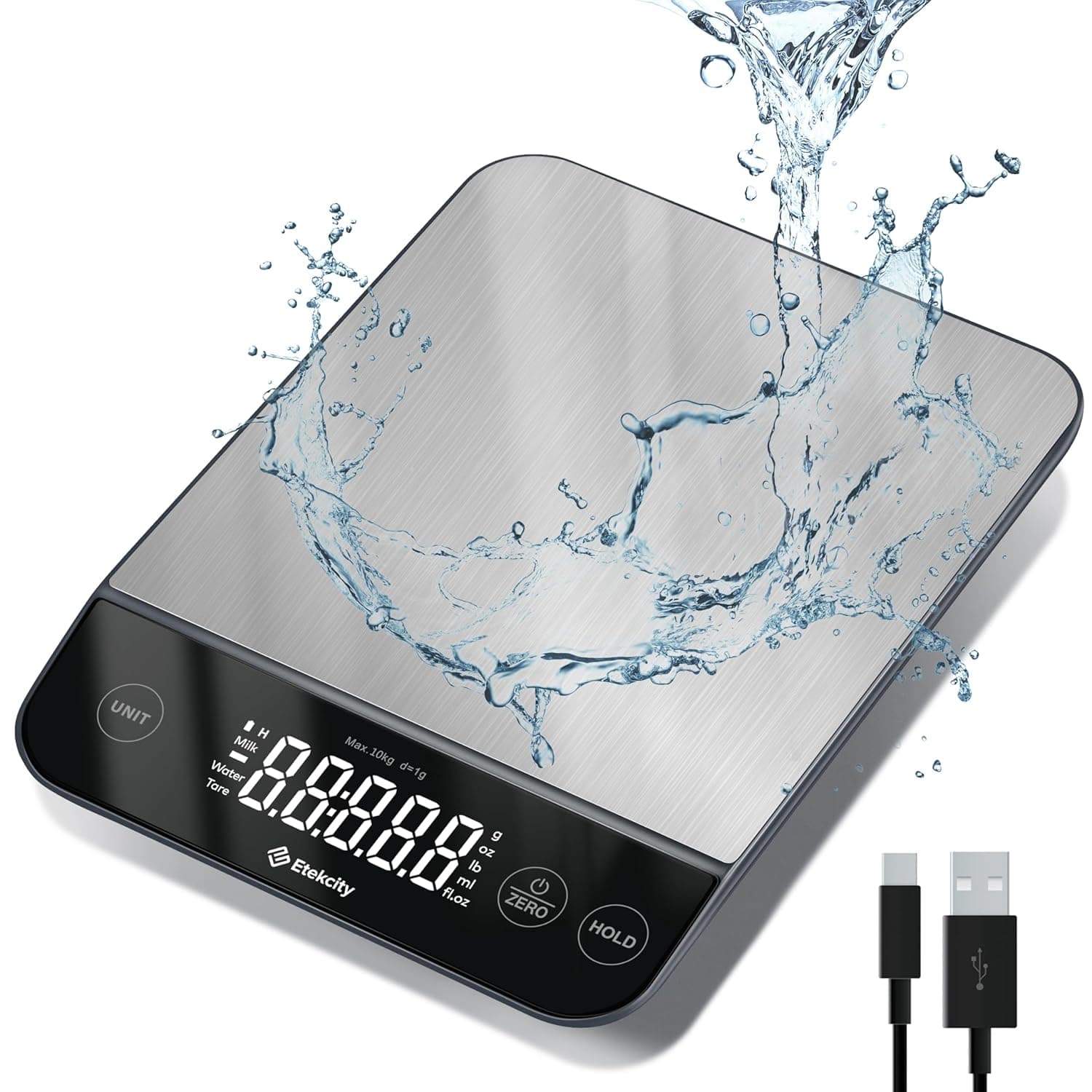
Accurate to 1g for perfect portions
Precise and built for daily macro tracking. Waterproof stainless steel, USB-rechargeable, and accurate to 1 gram.
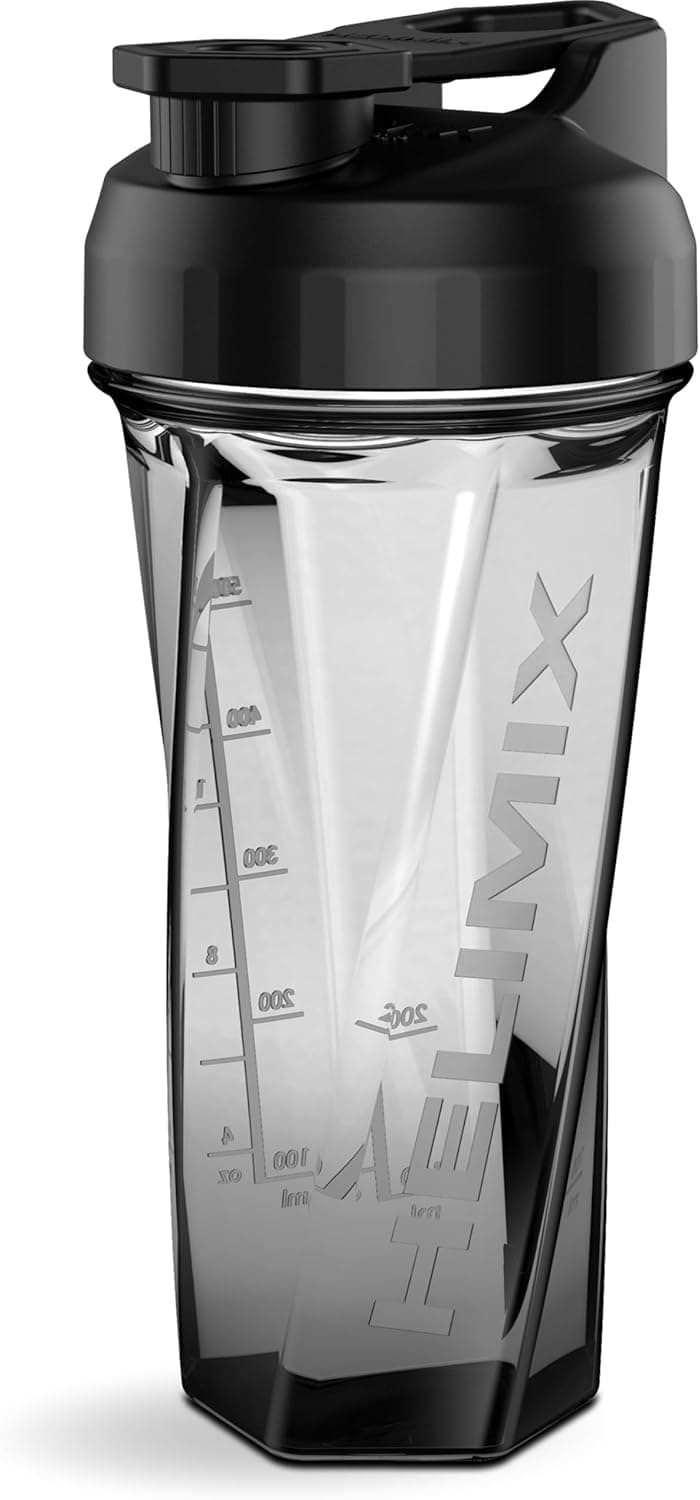
Zero-clump mixing, no ball needed
Mixes perfectly without a ball or whisk. USA-made, durable, and designed for protein shakes on the go.
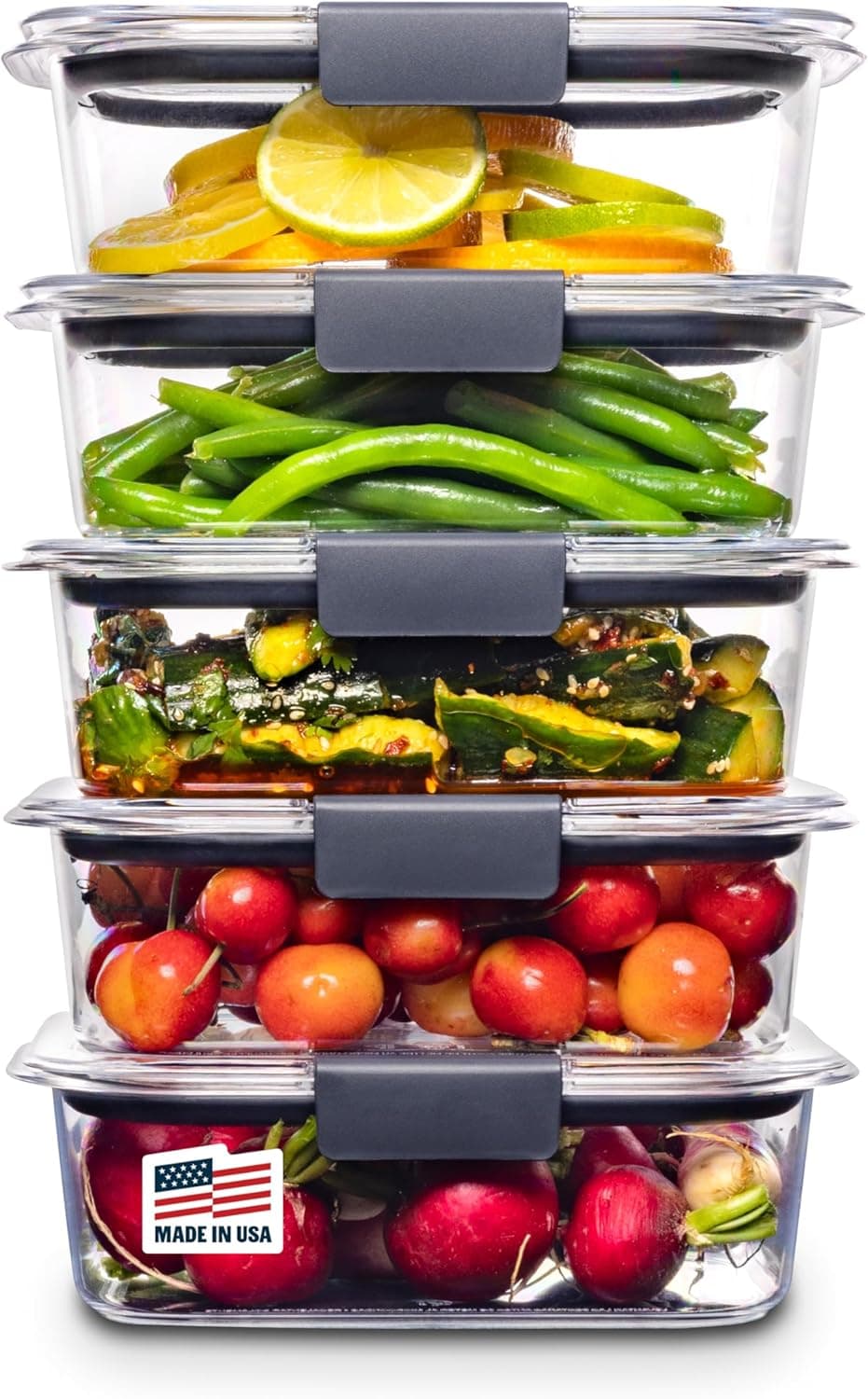
Leakproof meal prep containers
Crystal-clear, BPA-free containers with leakproof, airtight lids. Perfect for portioning macro-friendly meals.
Take your fitness journey further with our comprehensive collection of calculators, trackers, and educational content.