
Confused about carbs and cardio? This guide breaks down which carbohydrates to eat and when, helping you boost energy, improve performance, and recover faster.

When it comes to fueling your cardio sessions, carbohydrates often get a confusing reputation. Should you avoid them? Load up on them? The truth is, carbohydrates are the most critical fuel source for endurance activities. Think of them as the high-octane gas in your body's tank. Understanding which types to eat, and when, can make a huge difference in your energy levels and recovery.
During moderate to high-intensity exercise, your body relies heavily on glucose for energy. This glucose comes from carbohydrates you eat, which are stored in your muscles and liver as glycogen. According to sports nutrition research, the higher the intensity or duration of your workout, the more your body depends on these glycogen stores ([Memorial Hermann](https://memorialhermann.org/services/specialties/rockets-sports-medicine-institute/sports-nutrition/the-best-carbs-for-athletes)). Depleted stores can lead to fatigue, reduced performance, and that feeling of "hitting the wall."
Not all carbs are created equal, and their best use depends on when you eat them relative to your workout. The main difference comes down to how quickly they are digested and absorbed.
Proper nutrient timing can help you maximize your energy and avoid digestive issues. A position stand from the International Society of Sports Nutrition highlights the importance of carbohydrate intake around exercise to support performance ([JISSN, 2017](https://jissn.biomedcentral.com/articles/10.1186/s12970-017-0189-4)).
This is the ideal time for a meal rich in complex carbohydrates, with a smaller amount of simple carbs. The complex carbs will provide sustained energy for your session, while the simple carbs top off your immediately available stores. A great example is a bowl of oatmeal with some berries.
If you're eating close to your workout, stick with simple, fast-digesting carbs. A high-fiber, complex carb meal can sit heavily in your stomach and cause digestive upset during exercise. A banana, a handful of pretzels, or a small granola bar are excellent choices. Research from Utah State University Extension suggests this approach provides quick energy without weighing you down ([USU Extension](https://extension.usu.edu/nutrition/research/prioritizing-carbohydrates-a-guide-for-endurance-runners)).
After a tough cardio session, your glycogen stores are running low. Consuming fast-digesting carbs within a couple of hours helps replenish these stores efficiently, kicking off the recovery process. Combining these carbs with a source of protein is even better for muscle repair. A fruit smoothie with protein powder or a meal of chicken and white rice would work well.
Ultimately, the best carbs for you are the ones that you enjoy and that your body tolerates well. It's a good idea to experiment during your training to see what foods make you feel your best. By prioritizing quality carbohydrates and timing them effectively, you can give your body the fuel it needs to perform better and recover faster.
As an Amazon Associate we earn from qualifying purchases.
Gear that pairs well with what you just read.
As an Amazon Associate we earn from qualifying purchases.

Stays cold for hours, built to last
The bottle we personally use every day. Cold water for hours, super durable, and easy to drink from anywhere.
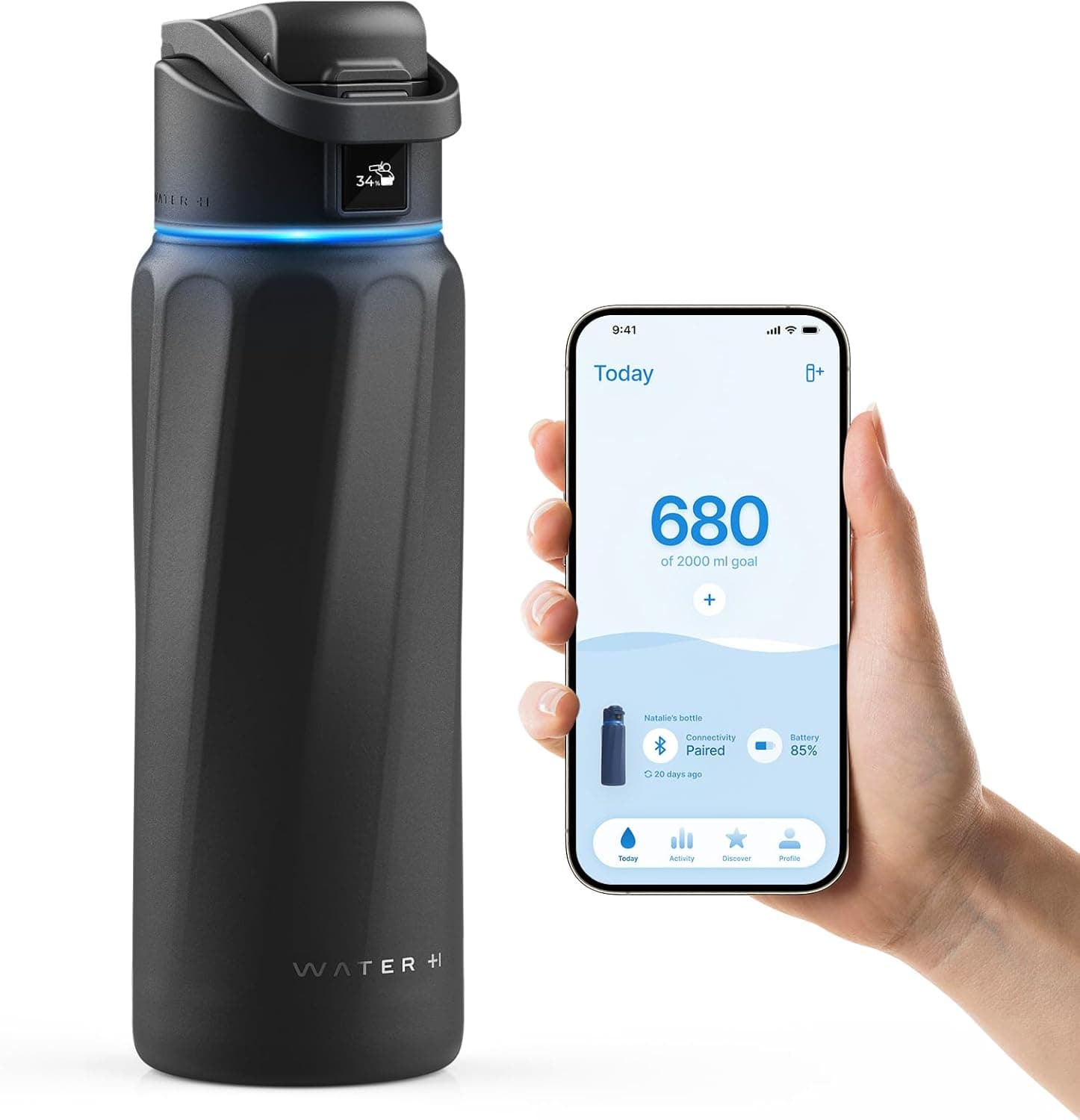
Smart reminders to stay on track
Great if you forget to hydrate. Smart tracking and gentle reminders to keep you on pace all day.
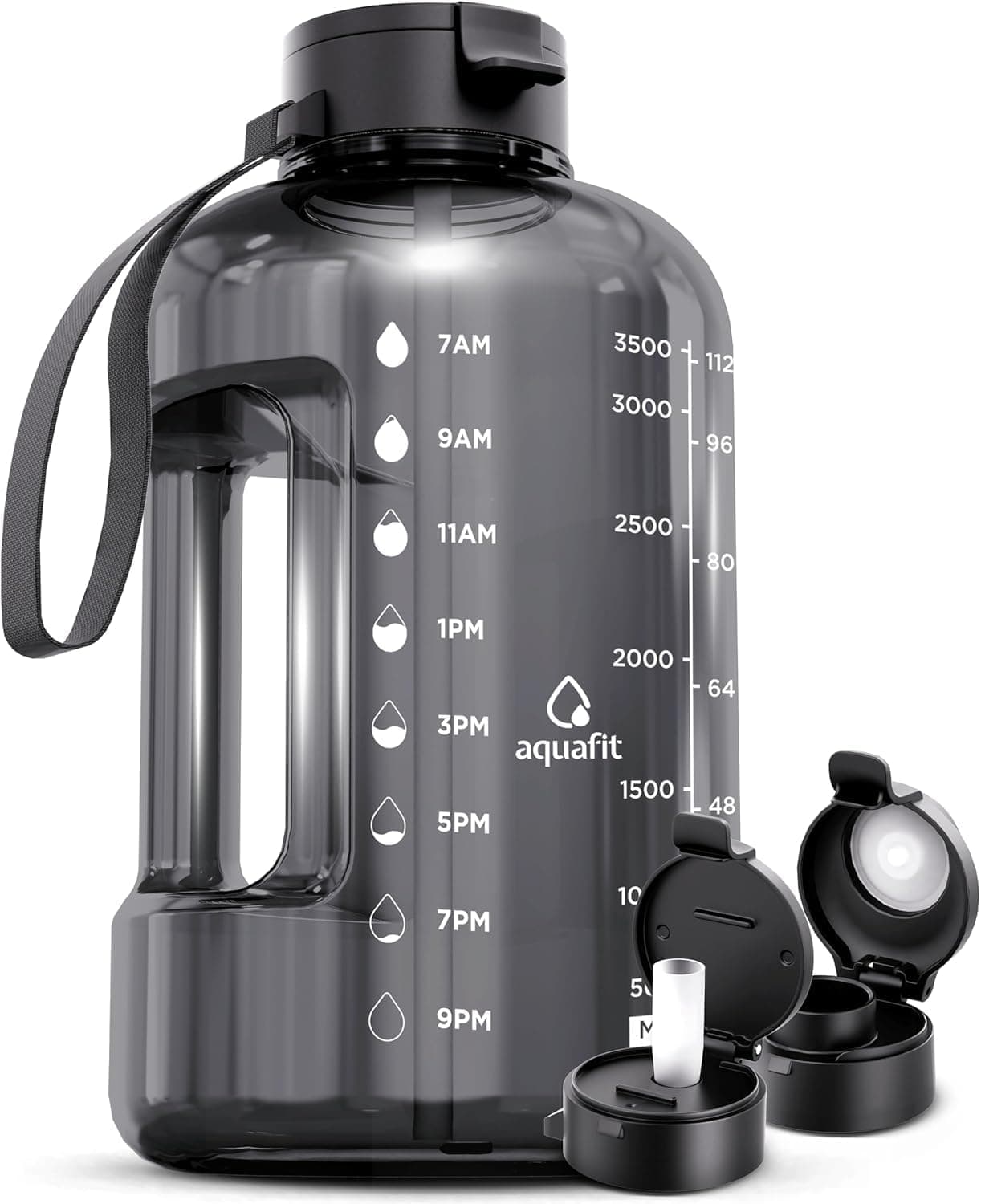
Full gallon, no refills needed
No-frills and budget-friendly. Huge capacity, easy to carry, and helps you hit your daily goal without refills.
Take your fitness journey further with our comprehensive collection of calculators, trackers, and educational content.