
Nutritional needs change from childhood to adulthood. This guide breaks down the (AMDR) for children and adults, explaining how to plan meals for the family.

Why can't my toddler just eat what I eat? It's a question many parents ask. While it seems simpler, the truth is that macronutrient needs for children are fundamentally different from those of adults. Their rapidly growing bodies and brains require a unique balance of protein, carbohydrates, and fats. The key to understanding these differences lies in the Acceptable Macronutrient Distribution Ranges, or AMDR. These guidelines, established by the National Academy of Medicine, provide a roadmap for supporting health at every life stage. If you're new to this concept, you can learn more in our complete guide to AMDR for macros. In this article, we'll explore the specific AMDR for children versus adults and what it means for your family's kitchen.
The AMDR provides a percentage range of total daily calories that should come from each macronutrient. As you can see below, these ranges shift significantly, especially during the first few years of life. These recommendations from the National Academy of Medicine show how nutrient priorities change from rapid growth to long-term maintenance.
The numbers tell a clear story: children are not just mini-adults. Their nutritional requirements are tailored to support intense periods of growth and development.
The most dramatic difference in the AMDR by age is the higher fat recommendation (30-40%) for children aged 1-3. This isn't a license for french fries; it's a biological necessity. A significant portion of brain development occurs during these early years, and dietary fat provides essential fatty acids that are critical building blocks for brain tissue. This higher fat intake also supports the absorption of fat-soluble vitamins and provides a dense source of energy for active, growing toddlers.
Protein is essential for building everything from muscles and bones to enzymes and hormones. While the AMDR for protein is 10-30% of calories for children aged 4 and up, their needs per pound of body weight are higher than an adult's. Research shows that children need adequate protein to support this constant construction project happening in their bodies (Introduction to Nutrition (Diker)). To meet these needs, focus on sources like dairy, eggs, lean meats, beans, and lentils. When comparing options at the store, it can be helpful to understand how to read a food label. Learn more in our article on protein grams vs. the percent daily value.
The AMDR for carbohydrates remains consistent at 45-65% for both children and adults. Carbohydrates are the body's preferred source of energy. For children, this fuel is especially important for powering their active play and fueling brain function. The brain relies almost exclusively on glucose (from carbs) for energy, so a steady supply is crucial for learning and concentration. Emphasizing complex carbohydrates like whole grains, fruits, and vegetables also provides essential fiber, which supports digestive health.
Once we reach adulthood (age 19+), the AMDR for fat drops to 20-35% and the protein range widens slightly to 10-35%. This change reflects the shift from building new tissues to maintaining body composition and preventing chronic disease (Institute of Medicine, 2005). The focus moves toward a balance that supports long-term health, with adequate protein for muscle maintenance and a moderate fat intake to manage cardiovascular risk.
So how do you feed a family with different needs? You don't have to cook separate meals. The key is to build a common plate and then modify portions and add-ons.
For adults and older teens in the family, using a macro calculator can provide a personalized starting point that accounts for their specific activity levels and goals.
As an Amazon Associate we earn from qualifying purchases.
Gear that pairs well with what you just read.
As an Amazon Associate we earn from qualifying purchases.
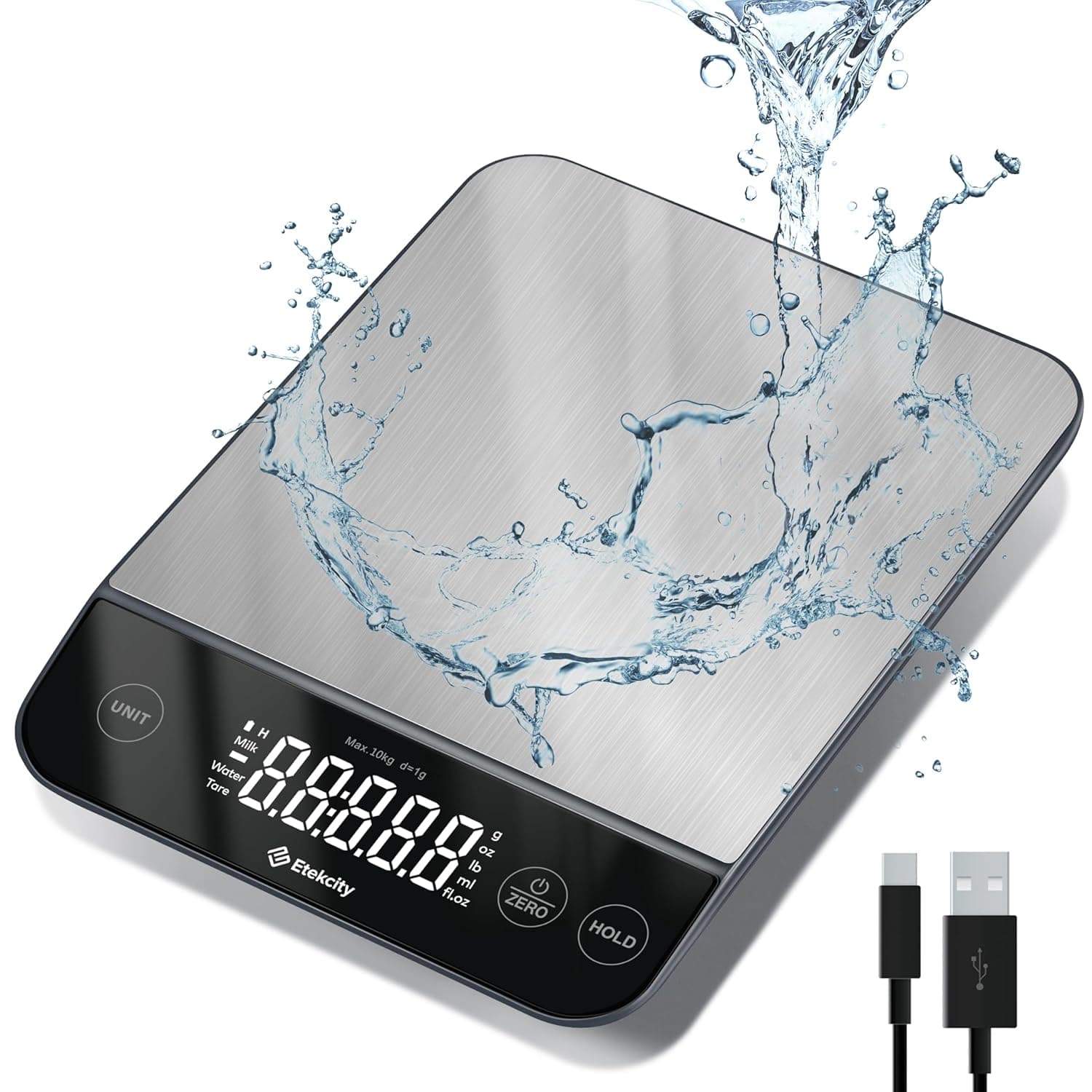
Accurate to 1g for perfect portions
Precise and built for daily macro tracking. Waterproof stainless steel, USB-rechargeable, and accurate to 1 gram.
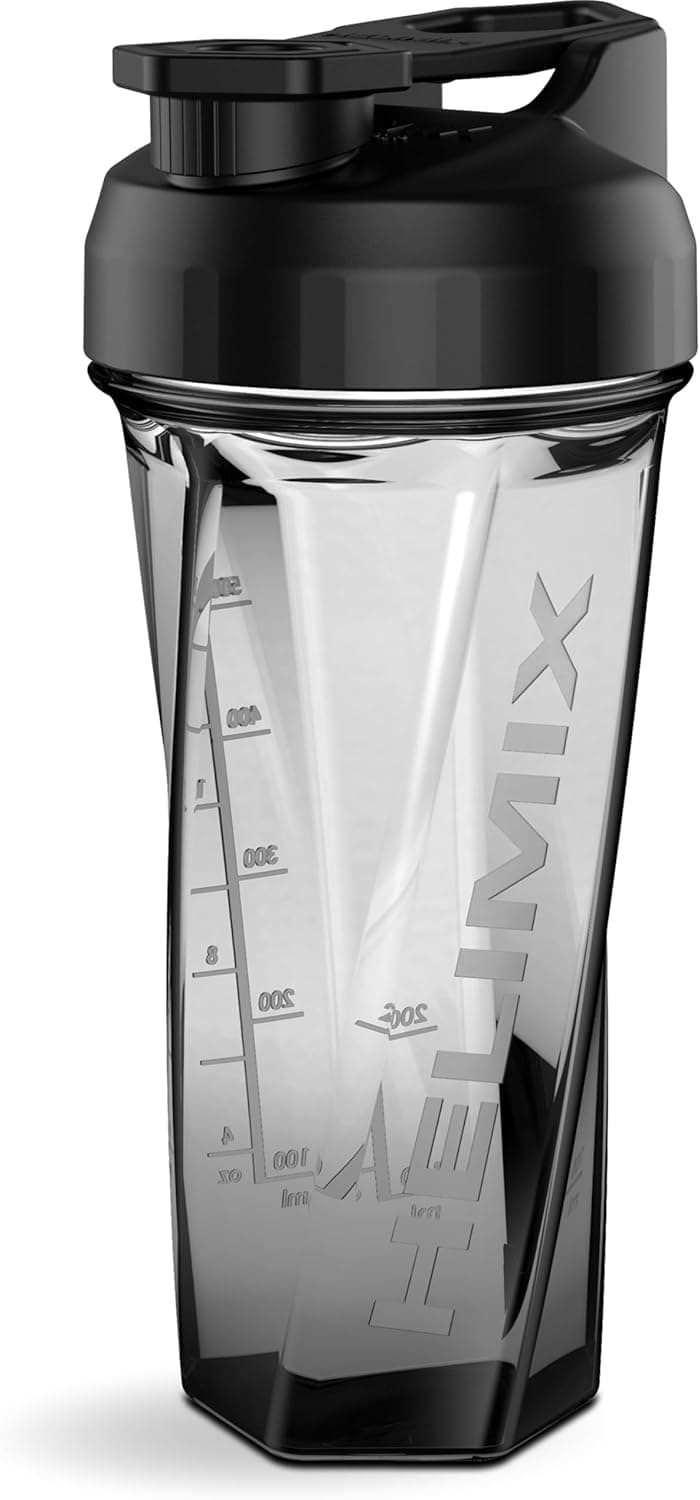
Zero-clump mixing, no ball needed
Mixes perfectly without a ball or whisk. USA-made, durable, and designed for protein shakes on the go.
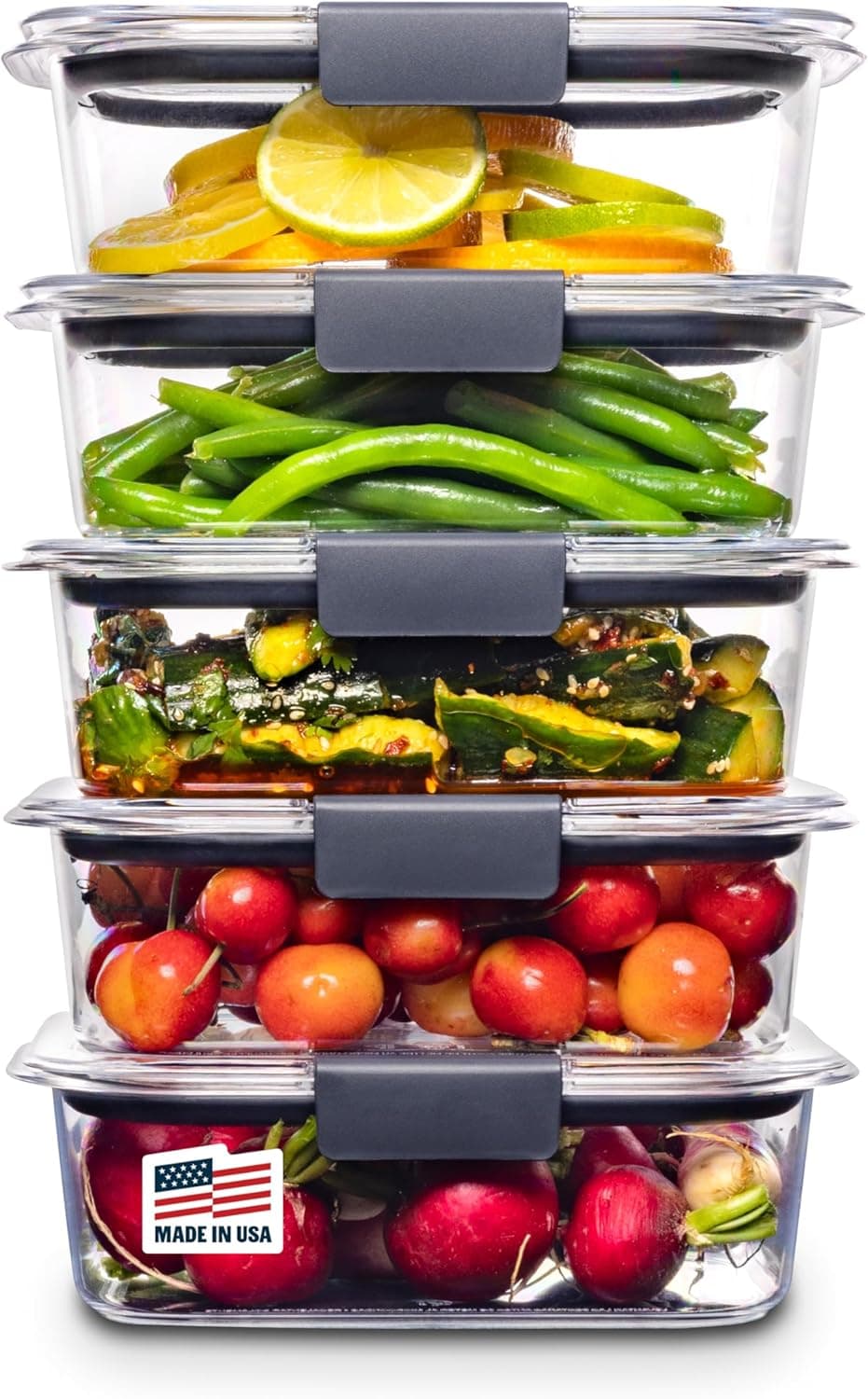
Leakproof meal prep containers
Crystal-clear, BPA-free containers with leakproof, airtight lids. Perfect for portioning macro-friendly meals.
Take your fitness journey further with our comprehensive collection of calculators, trackers, and educational content.