
Standard nutrition guidelines don't always apply to active people. Learn how the AMDR shifts for athletes and how to tailor intake for peak performance.

Have you ever looked at standard nutrition advice and wondered if it really applies to your active lifestyle? You’re not alone. The Acceptable Macronutrient Distribution Ranges, or AMDR, provide a great starting point for the general population, but the unique demands of training require a more specialized approach. This guide explores the AMDR for athletes, helping you understand how to adjust your macro targets for better performance and recovery.
The AMDR provides guidelines for the percentage of your daily calories that should come from each macronutrient: protein, carbohydrates, and fat. For the general adult, these ranges are 10–35% for protein, 45–65% for carbohydrates, and 20–35% for fat. You can learn more about the basics in our guide to AMDR for macros. Athletes, however, place higher stress on their bodies, increasing their needs for energy, muscle repair, and recovery. This means the standard macronutrient distribution for athletes often looks different.
While the AMDR allows for up to 35% of calories from protein, most discussions focus on a gram-per-kilogram (g/kg) basis for athletes. The Recommended Dietary Allowance (RDA) is just 0.8 g/kg, an amount intended to prevent deficiency, not optimize performance. Sports nutrition research consistently recommends much higher intakes. The International Society of Sports Nutrition suggests a range of 1.4–2.0 g/kg for exercising individuals to support muscle repair and growth (International Society of Sports Nutrition, 2007).
For many, especially those focused on building muscle, optimal intake may be even higher, falling between 1.6–2.2 g/kg of body weight (Phillips & Van Loon, 2011). Interestingly, even an intake of 2.5-3.0 g/kg can still fall within the 10-35% AMDR, showing the flexibility of these ranges (Trommelen et al., 2019). The key takeaway is that athletes should aim for the higher end of the AMDR protein range, prioritizing specific gram-per-kilogram targets. You can use a protein intake calculator to get a personalized starting point, or read our guide on how to calculate protein intake for a deeper dive.
Carbohydrates are the body's primary fuel source during intense exercise, and the AMDR of 45-65% reflects their importance. For athletes, carbohydrate needs can vary dramatically based on the type and duration of activity. An endurance athlete, like a marathon runner, may need to consume 60% or more of their calories from carbohydrates to keep their glycogen stores full. A strength athlete's needs are different. They might use a strategy called carbohydrate periodization, consuming more carbs on heavy training days to fuel performance and fewer on rest days. This approach helps manage energy levels and support body composition goals. Focusing on complex carbohydrates is often a good strategy, and you can explore some of the best carbs for strength training in our dedicated post.
As an Amazon Associate we earn from qualifying purchases.
Gear that pairs well with what you just read.
As an Amazon Associate we earn from qualifying purchases.
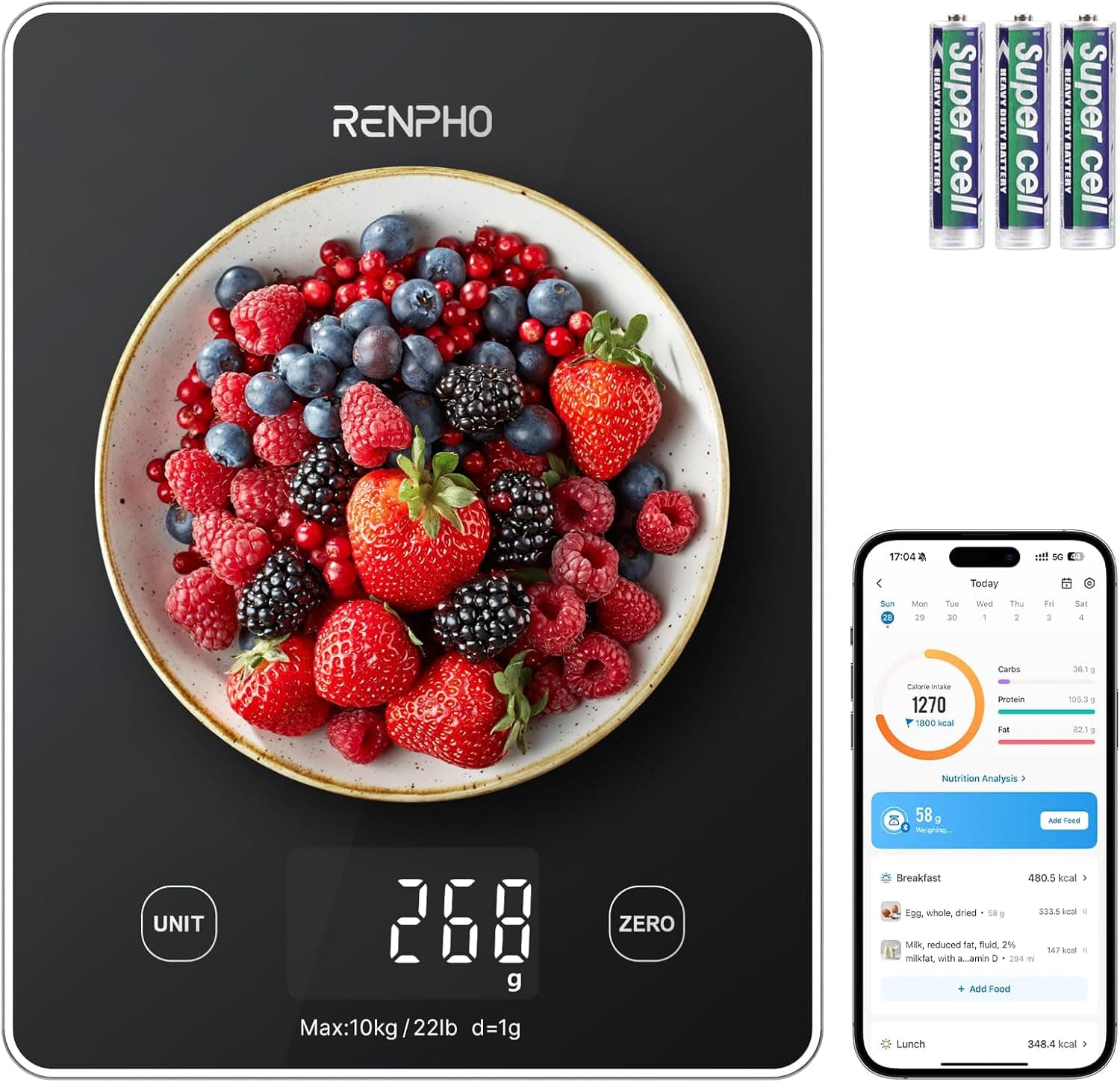
Built-in nutrition and macro tracking
A sleek black-glass scale with built-in nutrition calculations for fast, accurate macro and calorie tracking. Syncs with the RENPHO app, measures up to 22 lb, and perfect for weight-loss or keto meal prep.
Precise portions every time
A stackable, easy-to-store set with stainless steel handles for durability and precise measuring. Perfect for consistent portion sizes when tracking calories, cooking, or baking.
Leakproof meal prep containers
Crystal-clear, BPA-free containers with leakproof, airtight lids to keep meals fresh and organized. Perfect for portioning, storing, and taking your macro-friendly meals on the go.
Take your fitness journey further with our comprehensive collection of calculators, trackers, and educational content.
Dietary fat is crucial for absorbing vitamins and producing key hormones, including testosterone, which is vital for muscle growth and recovery. The AMDR for fat is 20-35% of total calories. It is generally advised that athletes do not drop below the 20% threshold, as very low-fat diets can negatively impact hormonal health and performance. The focus should be on including healthy fat sources like avocados, nuts, seeds, and olive oil to support overall wellness.
Here’s how macronutrient distribution for athletes might compare to general recommendations. These are flexible starting points, and your ideal numbers will depend on your specific goals and training volume.
Ultimately, the right macro targets for athletes are highly individual. The best approach is to start with these evidence-based guidelines and adjust based on your performance, recovery, and how you feel. Using a tool like our macro calculator can help you translate these percentages into daily grams of protein, carbs, and fat.