
Protein burns 20–35% of its own calories during digestion — here's how to use the thermic effect of food (TEF) to your advantage for effective, sustainable weight loss.

It's a common dilemma in weight loss: you want to reduce calories, but you don't want to feel hungry all the time. What if there was a way to feel more satisfied while also increasing the number of calories your body burns? It turns out that focusing on protein intake can do just that, thanks to a process called the thermic effect of food.
The thermic effect of food (TEF), also known as diet-induced thermogenesis, refers to the energy your body uses to digest, absorb, and metabolize the food you eat. Think of it like a small 'processing fee' for every calorie you consume. Different macronutrients (protein, carbohydrates, and fat) have different processing fees, and this is where protein really stands out.
Protein has a much higher thermic effect than carbohydrates and fat. Research shows that while your body uses 0-3% of fat calories and 5-10% of carbohydrate calories for digestion, it uses a whopping 20-30% of protein calories for the same process (Healthline).
Let's make that practical. If you eat 100 calories from protein, your body uses about 20-30 of those calories just to break it down. This means you are only left with 70-80 net calories. This 'inefficiency' is actually a significant advantage when you are trying to manage your weight.
A higher TEF contributes to your weight management goals in a few key ways. First, it increases your 'calories out' by boosting your overall metabolism. A high-protein diet means you burn more calories around the clock, even while you sleep (Healthline). This makes it easier to achieve the calorie deficit needed for weight loss.
Second, protein is excellent for satiety, which is the feeling of fullness and satisfaction after a meal. It works by reducing levels of the hunger hormone ghrelin while boosting appetite-reducing hormones like GLP-1 and PYY (Healthline). Feeling fuller for longer can help you naturally reduce your overall calorie intake without feeling deprived.
Finally, protein is essential for building and maintaining muscle mass. When you lose weight, you risk losing muscle along with fat. A higher protein intake can help preserve your lean muscle, which is metabolically active and helps keep your metabolism running efficiently (Cleveland Clinic).
As an Amazon Associate we earn from qualifying purchases.
Gear that pairs well with what you just read.
As an Amazon Associate we earn from qualifying purchases.
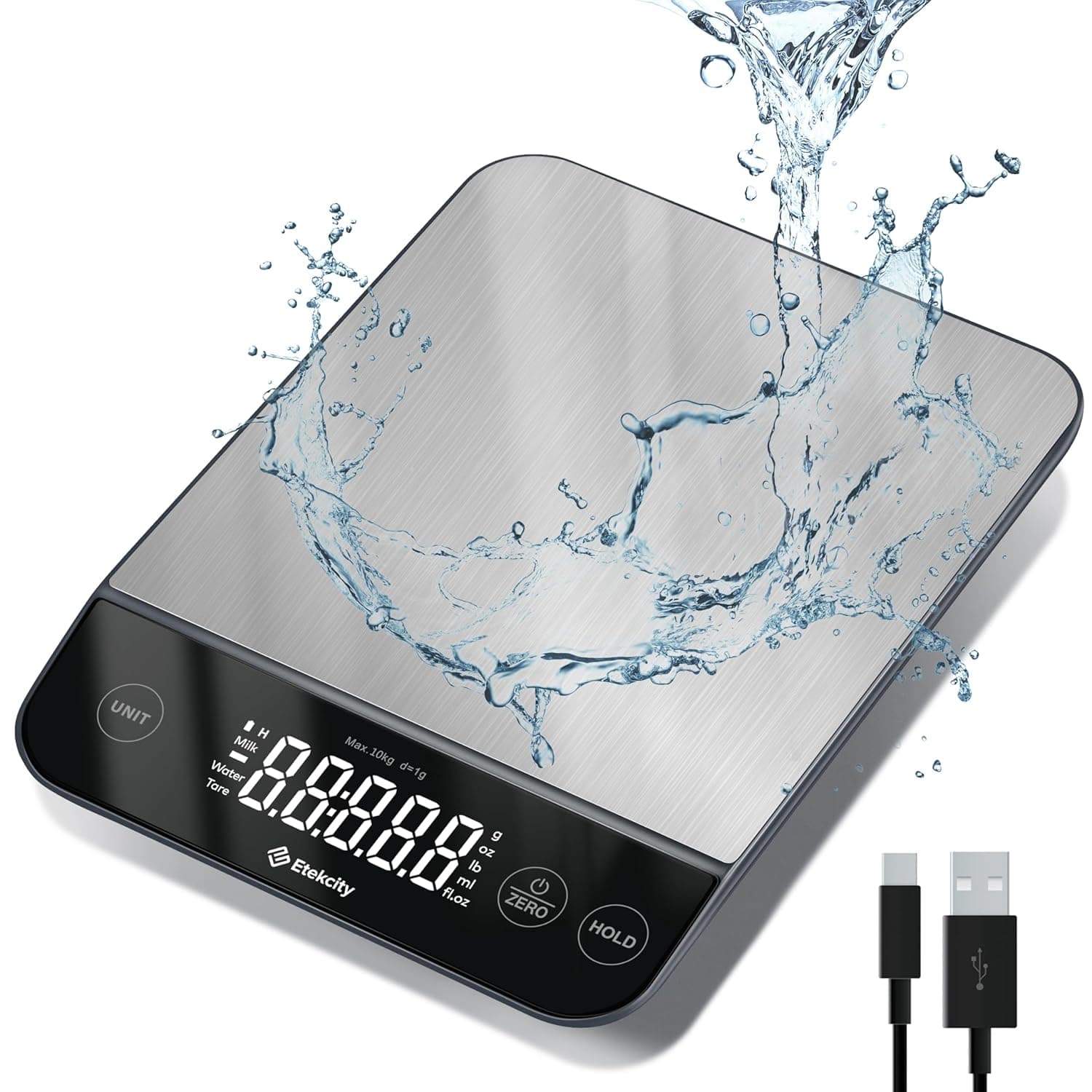
Accurate to 1g for perfect portions
Precise and built for daily macro tracking. Waterproof stainless steel, USB-rechargeable, and accurate to 1 gram for perfectly measured meals every time.
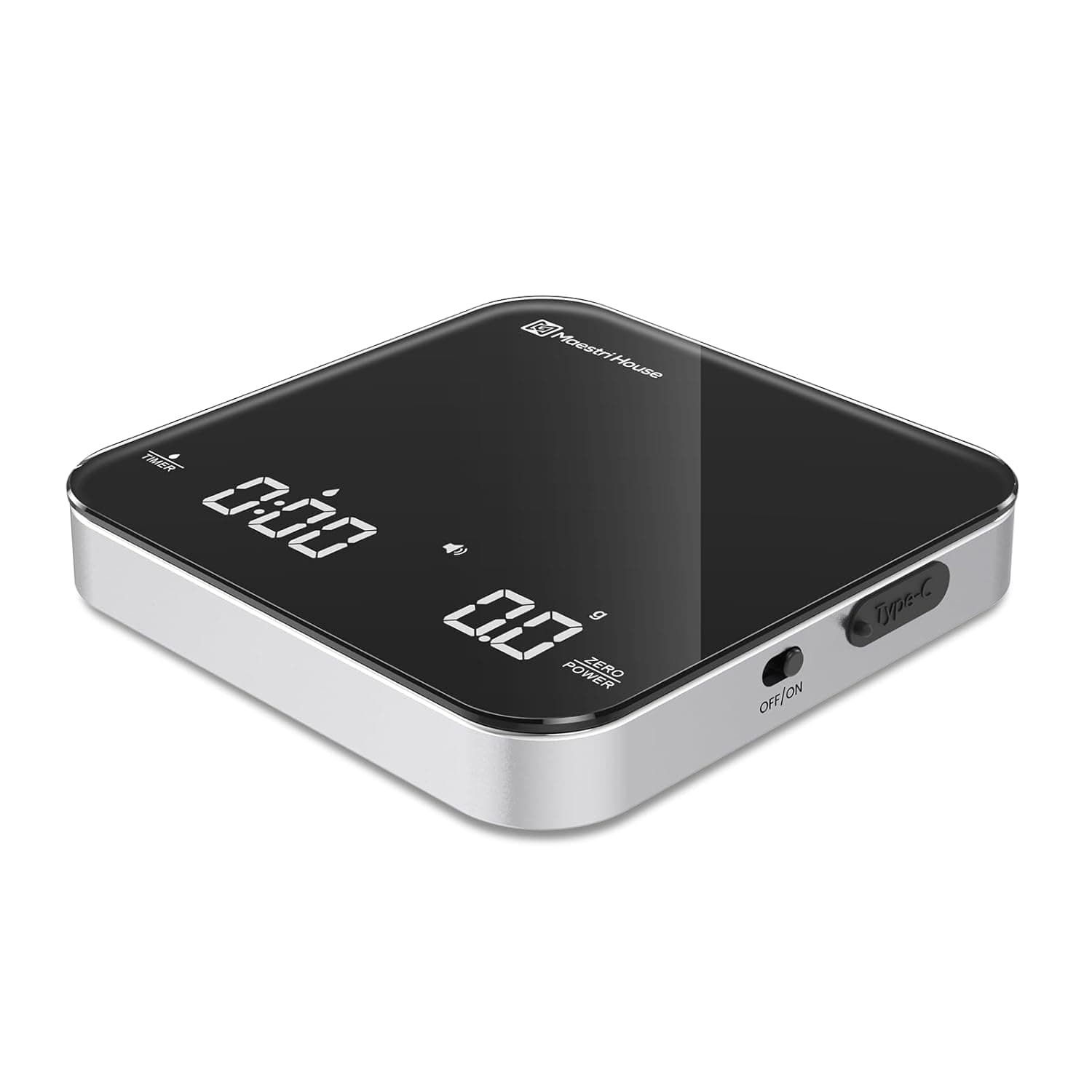
Travel-friendly 0.1g precision
Precision 0.1g accuracy in a compact, travel-friendly design. Perfect for tracking macros, portioning meals, or timing recipes—USB-C rechargeable and built for everyday use.
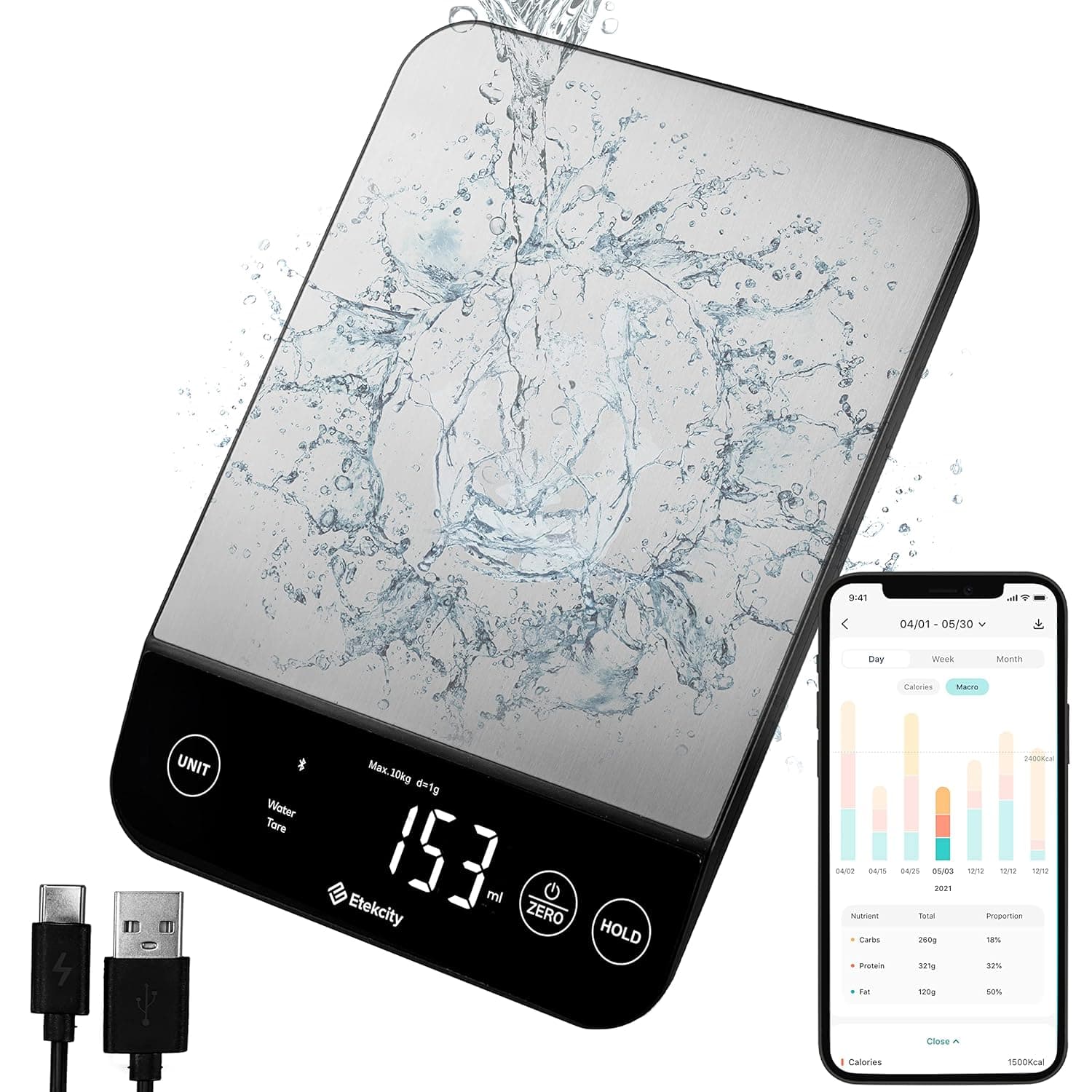
Smart tracking via Bluetooth app
Everything you love about our 'pick,' but smarter and app-connected: waterproof stainless steel, calorie and macro tracking via Bluetooth, USB-rechargeable, and accurate up to 22 lb.
Take your fitness journey further with our comprehensive collection of calculators, trackers, and educational content.