
Discover why dietary fiber is crucial for your health. This guide breaks down the types of fiber, its benefits for digestion, weight management, and heart health, with simple tips to get more.

Have you ever wondered what makes whole grains, fruits, and vegetables so good for you? A big part of the answer is fiber. While it's a type of carbohydrate, it works differently than others. Instead of being broken down for energy, fiber plays a critical role in keeping our digestive system healthy and supporting our overall well-being. Let's explore what fiber is and why it's so important.
Dietary fiber, sometimes called roughage, is the part of plant-based foods that your body can't digest or absorb. It passes relatively intact through your stomach and intestines. According to the Institute of Medicine, fiber is a non-digestible carbohydrate found in plants. It's classified into two main categories, soluble and insoluble, and both are important for your health.
Soluble Fiber: This type of fiber dissolves in water to form a gel-like substance in your digestive tract. This gel slows down digestion, which can help you feel full longer and prevent sharp spikes in blood sugar after a meal. Research shows that soluble fiber also plays a key role in lowering LDL (bad) cholesterol levels, reducing the risk of heart disease (Harvard T.H. Chan School of Public Health). You can find soluble fiber in foods like oats, peas, beans, apples, citrus fruits, carrots, and barley.
Insoluble Fiber: This type does not dissolve in water. Instead, it adds bulk to your stool and helps food pass more quickly through the stomach and intestines. This promotes regularity and helps prevent constipation (USDA WIC Works). Good sources of insoluble fiber include whole-wheat flour, wheat bran, nuts, beans, and vegetables like cauliflower and green beans.
Getting more fiber doesn't have to be complicated. Small, consistent changes can make a big difference.
When increasing your fiber intake, remember to do so gradually and drink plenty of water. This helps your digestive system adjust and prevents discomfort.
As an Amazon Associate we earn from qualifying purchases.
Gear that pairs well with what you just read.
As an Amazon Associate we earn from qualifying purchases.
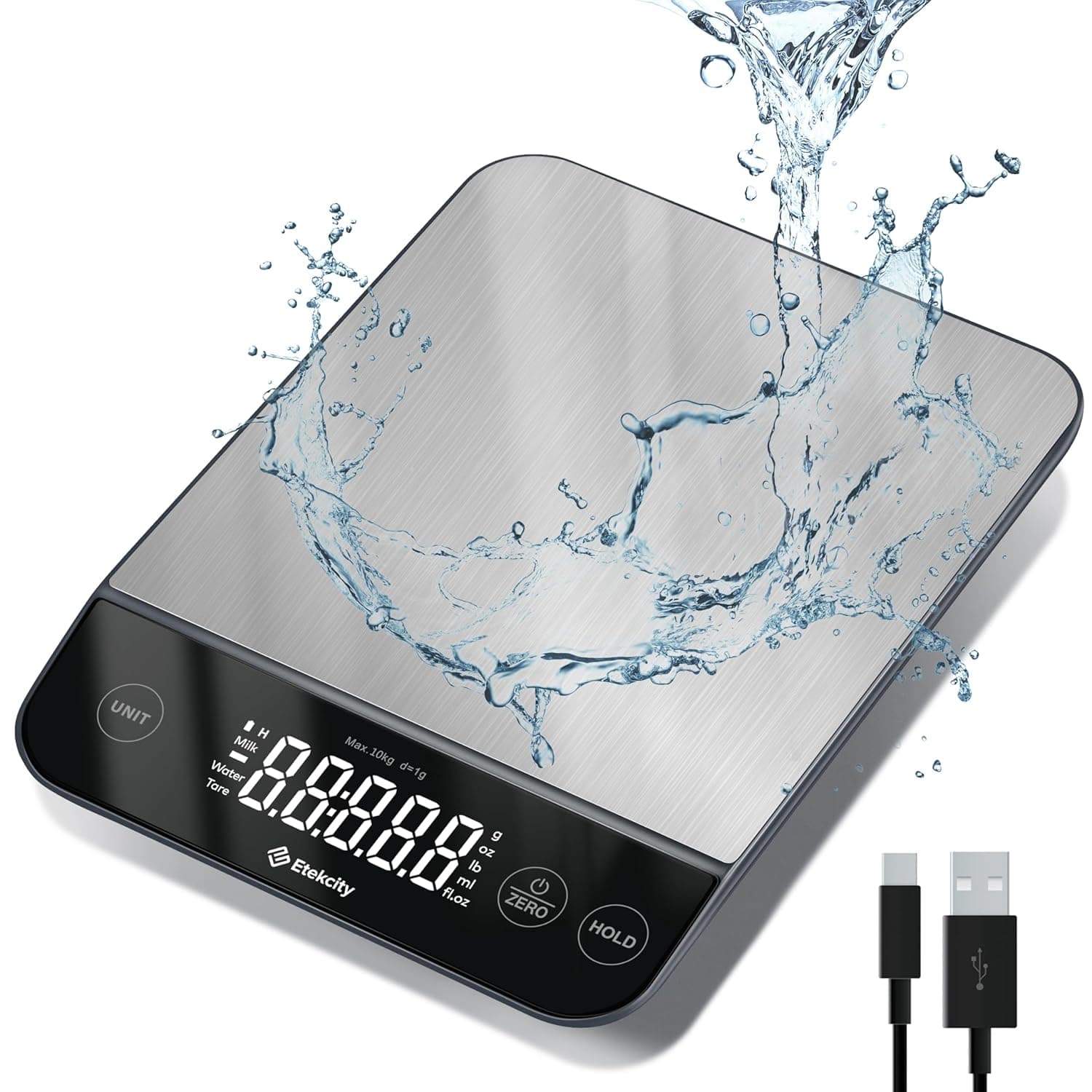
Accurate to 1g for perfect portions
Precise and built for daily macro tracking. Waterproof stainless steel, USB-rechargeable, and accurate to 1 gram.
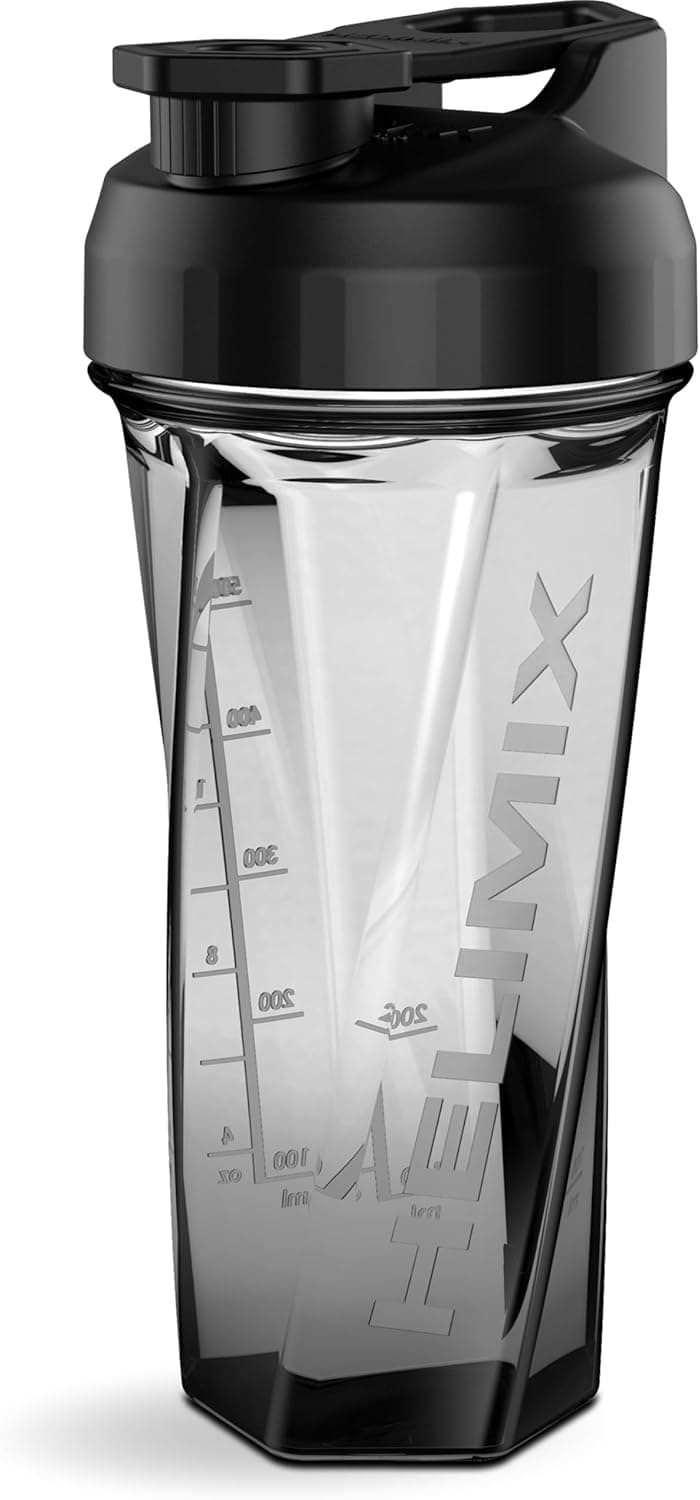
Zero-clump mixing, no ball needed
Mixes perfectly without a ball or whisk. USA-made, durable, and designed for protein shakes on the go.
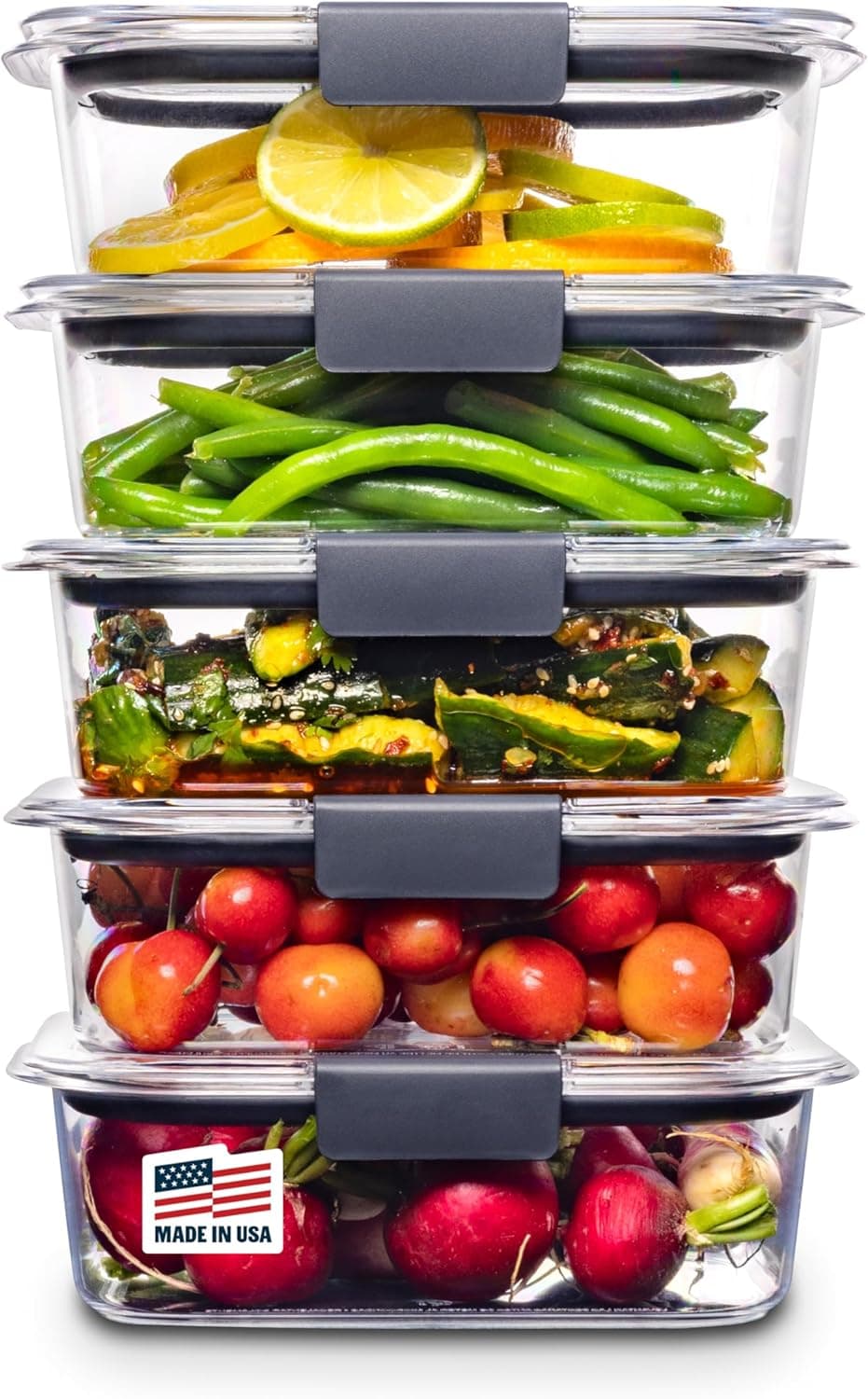
Leakproof meal prep containers
Crystal-clear, BPA-free containers with leakproof, airtight lids. Perfect for portioning macro-friendly meals.
Take your fitness journey further with our comprehensive collection of calculators, trackers, and educational content.